

Buying Guides, Strains and Flower
How to Store Weed and Vapes in Australia’s Climate
Jul
This guide to store weed covers the practical questions people ask most before placing an order.
Australia is a genuinely difficult place to store anything that degrades, and most people get it wrong in one of two opposite directions depending on where they live. Brisbane ruins flower with humidity. Perth ruins it by drying it out. Both are avoidable with a sealed jar and one good decision about where to put it.
What this guide covers: Store Weed
- The four things that destroy product
- Why not the fridge
- Humid climates: the mould risk
- Dry climates: the opposite problem
- Storage by city
- The parked car
- Which formats survive best
- Choosing a container
- How long things actually keep
- How to tell something has gone off
- Storing things while travelling
- How to tell something has gone off
- Storing things while travelling
- Storing safely, not just well
- Questions people ask
The four things that destroy product
Heat breaks down cannabinoids and terpenes. The damage is chemical and irreversible: potency and aroma that degrade are gone.
Light does the same, which is why an opaque container is worth more than a clear one no matter how nice the clear one looks.
Air dries flower out, and dry flower burns harsher, tastes worse and crumbles.
Moisture is the one people underestimate, because too much invites mould, and mould means the product should not be used at all.
Every piece of advice below is just a way of managing those four. Sealed, opaque, cool, dark, stable.
Why not the fridge
The instinct is to refrigerate, and it is the wrong instinct almost everywhere.
Every time a sealed container comes out of a fridge into warmer air, condensation forms on and inside it. Repeating that cycle introduces moisture into something you were trying to protect, and moisture in stored flower is how mould starts.
The slow degradation you were trying to prevent by refrigerating is a far better outcome than the mould you risk by doing it. A cupboard away from any heat source beats a fridge in every respect, in every Australian climate.
The same logic applies to freezing, with the added problem that frozen trichomes become brittle and break off with handling.
Humid climates: the mould risk
In Brisbane, Sydney, the northern coast and anywhere subtropical, humidity is the dominant risk.
Sealing flower that carries residual moisture creates exactly the conditions mould needs. This is a genuinely higher risk than in the southern capitals and it is the reason the same advice does not work nationwide.
What helps: make sure flower is properly dry before sealing it, store inside the air conditioned part of the home because conditioned air is dry, and check anything that has been stored a while before using it. Air conditioning works in your favour here, which is a rare case of the obvious solution being the right one.
What does not help: refrigeration, for the reasons above, which in a humid climate is actively counterproductive.
Dry climates: the opposite problem
In Perth, Adelaide, Melbourne and inland generally, mould is a much lower risk and the opposite problem appears.
Dry air pulls moisture out of flower. Over dried flower burns hot and harsh, loses aroma, and crumbles to dust when handled. It is less alarming than mould but it still ruins the product you paid for.
Here a good seal is doing the opposite job: keeping moisture in rather than out. The container matters more in a dry climate than most people assume, and leaving flower in an opened bag for weeks is the common failure.
Melbourne adds a seasonal wrinkle. The annual temperature range is wide, and moving a sealed container between a cold room and a heated one creates the same condensation problem a fridge does. Pick one stable location rather than shifting things around.
Storage by city
| City | Dominant risk | Best location | Watch for |
|---|---|---|---|
| Brisbane | Humidity, then heat | Air conditioned interior cupboard | Mould, melted chocolate |
| Sydney | Humidity and summer heat | Cool side of the home | Mould in coastal humidity |
| Melbourne | Temperature swings | Stable interior cupboard | Condensation from cycling |
| Adelaide | Dry heat | Coolest interior room | Over drying, extreme heat days |
| Perth | Dry heat | Coolest interior room | Over drying |
| Darwin, far north | Humidity, wet season | Air conditioned interior | Mould, high risk |
City specific notes also sit on the Brisbane, Perth and Melbourne pages.
The parked car
This gets its own heading because it is the single most common way products are destroyed in this country.
An Australian car interior on a hot day routinely exceeds sixty degrees within an hour, far above the ambient temperature outside. That is enough to degrade flower badly, melt chocolate edibles outright, thin vape liquid until a device leaks, and stress a lithium battery.
Nothing sold here should live in a car. Not the glovebox, not the boot, not a bag on a seat. If something has to travel with you, take it inside with you when you park, or use an insulated bag kept out of direct sun.
The same applies to sheds, garages, roof spaces and uninsulated under crofts, all of which run considerably hotter than the living areas of a house.
Which formats survive best
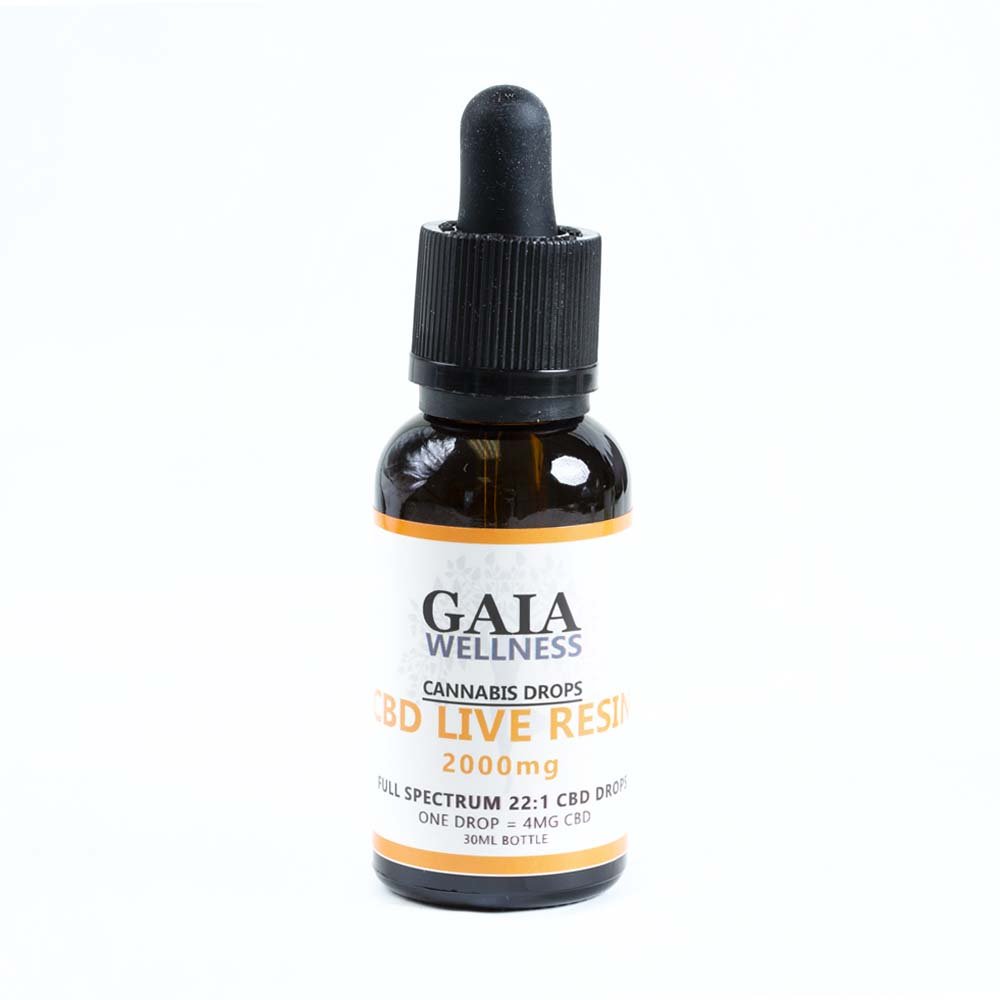
Tinctures and oils are the most robust. A sealed bottle in a cupboard is largely indifferent to what the weather is doing, which makes them the most sensible thing to buy in quantity.
Gummies hold up reasonably in original packaging, though heat softens them and makes them stick together, which matters because the piece is your unit of dose.
Vape devices tolerate humidity fine but not heat, which thins the liquid and ages the battery.
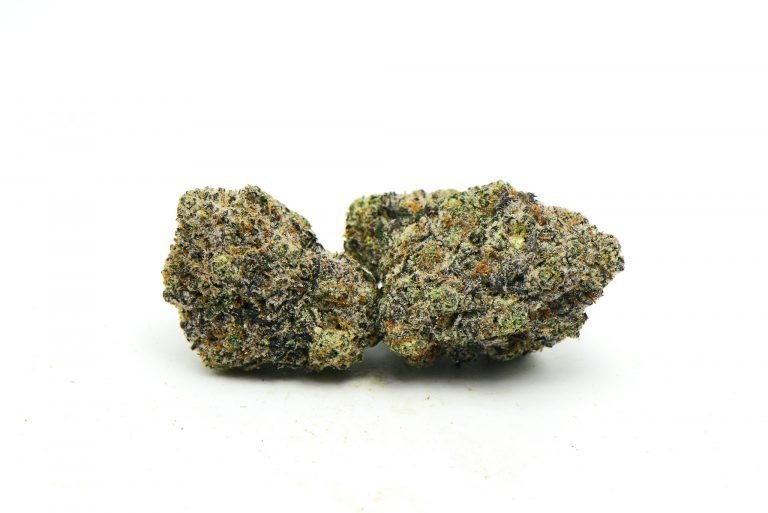
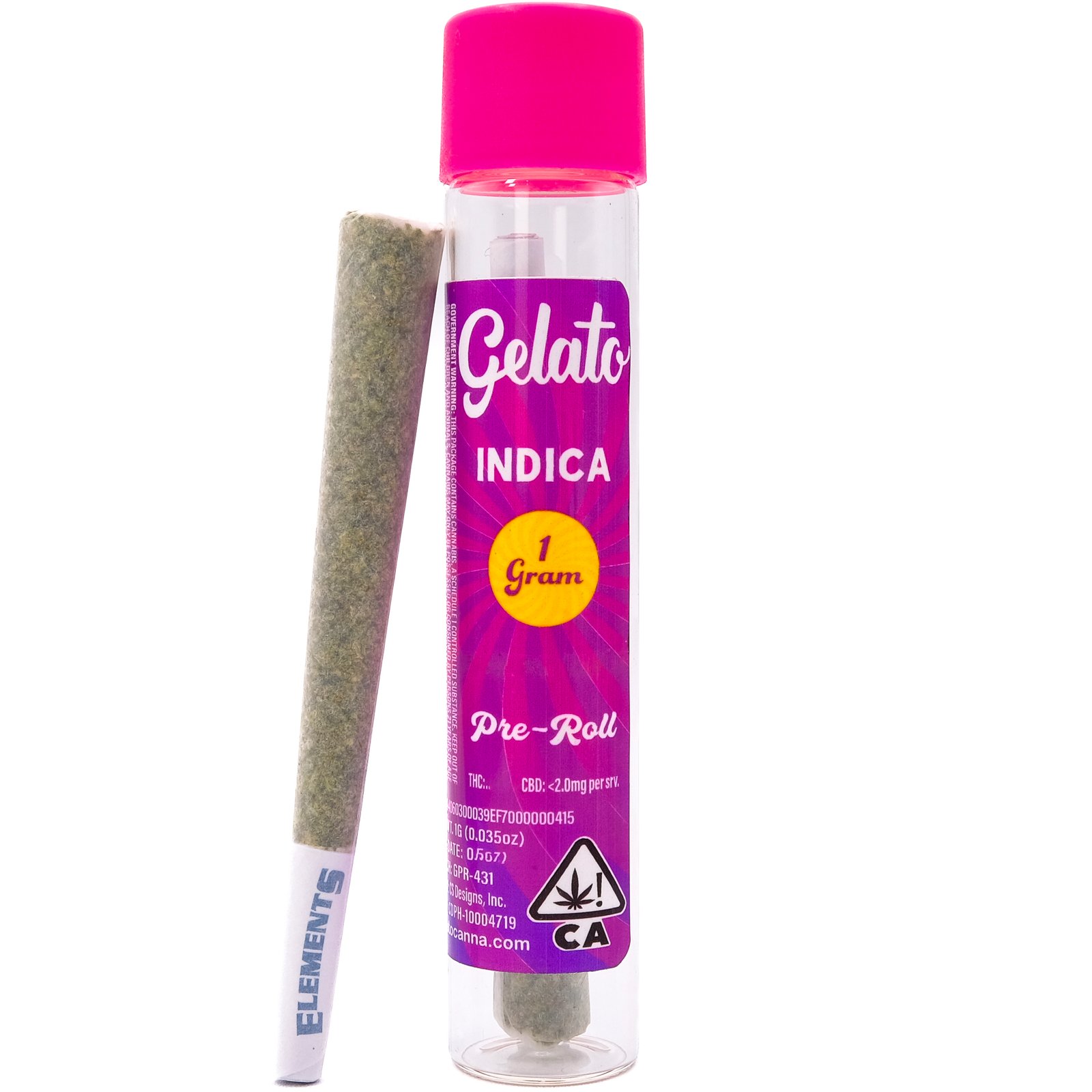
Flower and pre rolls are the most vulnerable to both heat and moisture at once and need the most disciplined storage. Pre rolls dry out faster than loose flower because more surface area is exposed.
Chocolate edibles are the worst choice for an Australian summer, and the problem is not cosmetic: a bar that melts and resets no longer has an even distribution, so the divisions stop meaning anything.
Choosing a container
Sealed and opaque, in that order of importance.
Sealed manages both air and moisture. Opaque removes light entirely, which a cupboard also does but a container does more reliably if anything ever sits out.
Size matters more than people expect. A small amount rattling around in a large jar sits in a lot of air, and every opening exchanges that air. If you are storing a quantity, several smaller sealed containers beat one large one, because you only ever expose what you are about to use.
Glass is generally better than soft plastic, which can hold odours and, over long periods, allow slow air exchange.
How long things actually keep
Flower is best used within months rather than years. It does not improve with age, so buy quantities you will realistically get through.
Tinctures and oils keep considerably longer when stored properly. Edibles vary and the packaging is the guide.
Vape devices should be used within a reasonable period, because both liquid quality and battery charge degrade over time even unused.
Check any date printed by the manufacturer, and treat the packaging in your hand as more current than any description written earlier.
How to tell something has gone off
Knowing what degradation looks like matters, because the difference between product that is merely past its best and product that should not be used at all is important.
Aroma fading is the first and most reliable sign of ordinary degradation. Terpenes are volatile and they go first, so flower that smells of very little has lost much of what made it worth buying. It is disappointing rather than dangerous.
Crumbling to dust means over drying. Harsher to smoke and less pleasant, but again not a safety issue.
Any sign of mould is different. Fuzzy patches, a musty or damp smell distinct from the plant smell, or anything resembling a powdery coating that is not trichomes. Product showing mould should not be used, and that is not a judgement call to talk yourself out of. When in doubt with something that smells musty rather than aromatic, discard it.
Distinguishing trichomes from mould confuses people. Trichomes are crystalline and glint under light. Mould is dull, fuzzy and often clustered in patches, and a musty smell accompanies it. If you are uncertain and it smells wrong, that is your answer.
For vape devices, the equivalent signs are darkened liquid, a harsh taste from a device that previously tasted fine, and leaking. All three usually point to heat exposure rather than age alone.
Storing things while travelling
Australian distances mean things travel, and a bag in a car is the worst environment discussed on this page.
If something has to come with you, insulate it and keep it out of direct sun. An insulated bag works, provided nothing sits directly against ice, because meltwater and condensation create their own problems. A small sealed container inside a larger insulated one is better than either alone.
Take it inside when you park rather than leaving it in the vehicle. That single habit prevents most travel related losses.
Tinctures and gummies in original packaging travel best. Flower and chocolate travel worst.
For flights, lithium batteries in devices are not permitted in checked baggage and must travel in the cabin, which is a general aviation safety rule rather than anything specific to these products. The Civil Aviation Safety Authority publishes what may be carried and how. Rules on what you are carrying differ by state and territory and knowing them for your destination, not just your home, is your responsibility.
How to tell something has gone off
Knowing what degradation looks like matters, because the difference between product that is merely past its best and product that should not be used at all is important.
Aroma fading is the first and most reliable sign of ordinary degradation. Terpenes are volatile and they go first, so flower that smells of very little has lost much of what made it worth buying. Disappointing rather than dangerous.
Crumbling to dust means over drying. Harsher to smoke and less pleasant, but again not a safety issue.
Any sign of mould is different. Fuzzy patches, a musty or damp smell distinct from the plant smell, or a powdery coating that is not trichomes. Product showing mould should not be used, and that is not a judgement call to talk yourself out of.
Distinguishing trichomes from mould confuses people. Trichomes are crystalline and glint under light. Mould is dull, fuzzy, often clustered in patches, and a musty smell accompanies it. If you are uncertain and it smells wrong, that is your answer.
For vape devices the equivalent signs are darkened liquid, a harsh taste from a device that previously tasted fine, and leaking. All three usually point to heat exposure rather than age alone.
Storing things while travelling
Australian distances mean things travel, and a bag in a car is the worst environment discussed on this page.
If something has to come with you, insulate it and keep it out of direct sun. An insulated bag works, provided nothing sits directly against ice, because meltwater and condensation create their own problems. A small sealed container inside a larger insulated one is better than either alone.
Take it inside when you park rather than leaving it in the vehicle. That single habit prevents most travel related losses.
Tinctures and gummies in original packaging travel best. Flower and chocolate travel worst.
For flights, lithium batteries in devices are not permitted in checked baggage and must travel in the cabin, a general aviation safety rule rather than anything specific to these products. The Civil Aviation Safety Authority publishes what may be carried. Rules on what you are carrying differ by state and territory, and knowing them for your destination rather than only your home is your responsibility.
Storing safely, not just well
Everything above is about preserving quality. This part is about something more important.
Store everything locked, out of reach and out of sight of children and animals. The risk is highest with edibles, which look like ordinary food and are the most common cause of accidental ingestion. A high shelf is not out of reach to a determined child and is no obstacle at all to a dog that can smell something interesting.
Keep things in original packaging so the strength information stays with the product. If a child or an animal consumes anything, seek medical or veterinary help immediately rather than waiting for symptoms, and say exactly what was consumed and roughly how much. In an emergency in Australia, call triple zero. The age verification policy covers this in full.
Questions people ask
Should I keep flower in the fridge?
No. Condensation from moving a container in and out introduces moisture, which is how mould starts. A cupboard away from heat is better in every Australian climate.
What is the main risk where I live?
In Brisbane, Sydney and the north it is humidity and mould. In Perth, Adelaide and Melbourne it is over drying. Melbourne also has condensation from temperature swings.
Can I leave anything in the car?
No. An Australian car interior routinely exceeds sixty degrees on a hot day, which degrades flower, melts chocolate, thins vape liquid and stresses batteries.
What container should I use?
Sealed and opaque, ideally glass, and sized to the amount so there is not a lot of air. Several smaller containers beat one large one for a quantity.
How long does flower keep?
Months rather than years when stored properly. It does not improve with age, so buy what you will realistically use.
Which format is easiest to store?
Tinctures and oils. A sealed bottle in a cupboard is largely indifferent to the weather, which also makes them the most sensible format to buy in quantity.
My chocolate edible melted. Does it still work?
The concern is not appearance. A bar that melted and reset has lost its even distribution, so the printed divisions no longer represent equal portions.
Browse weed strains or read the buying guide. Independent information on cannabis is published by the Alcohol and Drug Foundation.
We keep this store weed page current because outdated information helps nobody.
Our position on store weed is simple: publish what is true, hold what we list, and ship it quickly.
Questions about store weed are welcome at any point. Our team answers specification queries directly and quickly.
If you have compared store weed elsewhere and something here differs, ask us and we will explain why.
Everything stated here about store weed reflects what we actually hold rather than what we could order in.
Most questions about store weed come down to stock, timing and price, and all three are answered above.
If anything about store weed is still unclear, contact us before ordering rather than after. We would rather answer a question than process a return.
For store weed we would rather set expectations accurately than promise something we cannot deliver.
Our position on store weed is simple: publish what is true, hold what we list, and ship it quickly.
We keep this store weed page current because outdated information helps nobody.
The practical side of store weed matters more than the marketing, which is why this page leads with detail.
Still weighing up store weed? Get in touch and we will help you decide before you spend anything.
Most questions about store weed come down to stock, timing and price, and all three are answered above.
Everything stated here about store weed reflects what we actually hold rather than what we could order in.
That covers store weed in practical terms. If your situation is unusual, ask us and we will give you a straight answer.
People researching store weed usually want specifics rather than reassurance, so that is what this page gives.
Everything stated here about store weed reflects what we actually hold rather than what we could order in.
Most questions about store weed come down to stock, timing and price, and all three are answered above.
Still weighing up store weed? Get in touch and we will help you decide before you spend anything.
The practical side of store weed matters more than the marketing, which is why this page leads with detail.
Anything on store weed that is not covered here is worth an email, and we answer properly rather than with a template.
If store weed is new to you, start small, read the packaging, and ask before assuming.
People researching store weed usually want specifics rather than reassurance, so that is what this page gives.
That covers store weed in practical terms. If your situation is unusual, ask us and we will give you a straight answer.
People researching store weed usually want specifics rather than reassurance, so that is what this page gives.
That covers store weed in practical terms. If your situation is unusual, ask us and we will give you a straight answer.
That covers store weed in practical terms. If your situation is unusual, ask us and we will give you a straight answer.
People researching store weed usually want specifics rather than reassurance, so that is what this page gives.
If you have compared store weed elsewhere and something here differs, ask us and we will explain why.
Questions about store weed are welcome at any point. Our team answers specification queries directly and quickly.
Our position on store weed is simple: publish what is true, hold what we list, and ship it quickly.
