

Sitemap
Every page on leanlyjourney.au in one place. Use this if you would rather see the whole structure at once than work through menus, or if you are looking for something specific and search has not found it. Categories are listed with their current product counts so you can see where the depth is.
Table of contents
- Start here
- All product categories
- Buying guides
- City pages
- Help and support
- Policies and legal
- Your account
- How to use this site
- Sitemap questions answered
Start here
- Home, the front page
- Shop, the full catalogue of 687 products
- About us, who we are and how the catalogue is organised
- FAQ, the practical questions about ordering, strength, storage and delivery
- Contact, how to reach the team
All product categories
Every category currently holding stock, largest first.
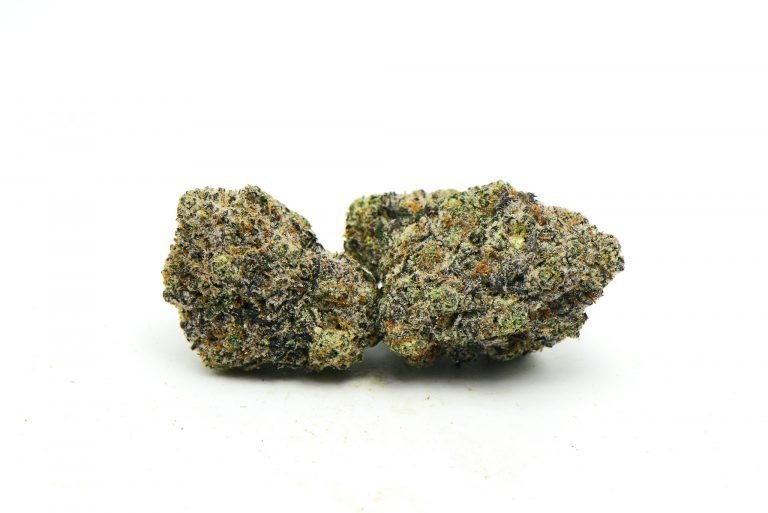
- Weed Strains Australia (160 products)
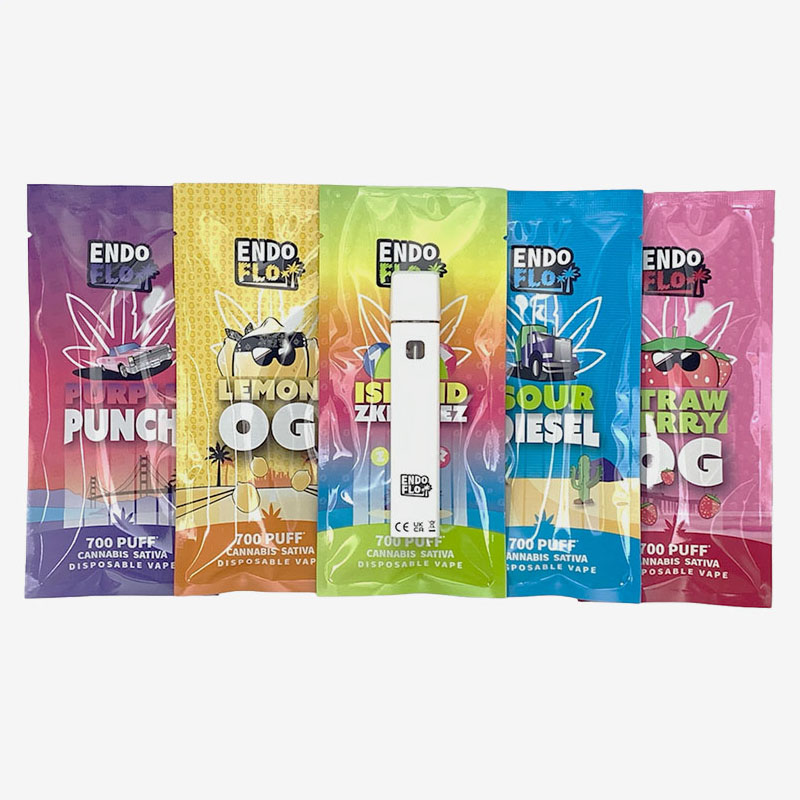
- THC Vape Pens Australia (85 products)
- Hybrid Weed Strains Australia (74 products)
- THC Gummies Australia (55 products)
- CBD and THC Tinctures Australia (50 products)
- Indica Strains Australia (48 products)
- THC Vapes Australia (45 products)
- Vapes Australia (37 products)
- IGET BAR PRO 10000 (36 products)
- KUZ ULTRA 9000 (26 products)
- Disposable Vapes Australia (23 products)
- IGET ONE 12000 (23 products)
- DMT Vapes Australia (20 products)
- KUZ NOVA 16000 (20 products)
- Sativa Strains Australia (19 products)
- Shroom Bars Australia (19 products)
- Cigarette Cartons Australia (18 products)
- Pre Rolls Australia (14 products)
- THC Edibles Australia (13 products)
- Alibarbar ingot 9000 (11 products)
- Alibarbar Pro 10000 (11 products)
- Cannabis Concentrates Australia (10 products)
- CBD Gummies Australia (10 products)
- THC Vape Liquid Australia (10 products)
- Hash Australia (9 products)
- Magic Mushrooms Australia (8 products)
- Kratom Australia (6 products)
- THC Oils Australia (3 products)
- Reusable Vapes Australia (2 products)
Buying guides
Longer reads that explain how to choose rather than simply what is available.
- Buy weed online in Australia, strains, potency, formats and the mistakes that cost money
- Vape shop near me, why online beats local in Australia and when it does not
- Wholesale and bulk orders, when volume saves money and when it does not
City pages
Each covers local delivery, that state regulator, and advice specific to the climate and housing there.
- Sydney, apartments, parcel lockers and NSW
- Melbourne, seasonal storage, regional Victoria and driving
- Brisbane, heat, humidity and the wet season
- Perth, distance, tracking gaps and FIFO rosters
- Adelaide, the easiest capital, and tracking what works
Help and support
- How to order, the whole process in six steps
- Shipping and delivery, dispatch, tracking, discreet packaging and missing parcels
- Track your order
- Payment and security, currency, card handling and declined payments
- Returns and refunds, faults, damage and change of mind
Policies and legal
Your account
How to use this site
A few notes that make the structure easier to navigate.
Categories are the fastest route. If you know the format you want, the category page shows everything of that type at once, which beats scrolling the full catalogue.
Device ranges have their own pages. Rather than searching a flavour name, open the range page and see every flavour available in that device together. Flavour names repeat across ranges, so this avoids confusion.
Guides explain, categories list. If you are unsure what to buy rather than where to find it, start with a guide.
Search works on product names. If a search returns nothing, try the parent category, because the exact product may have sold out while an equivalent is in stock.
There is also a machine readable XML sitemap, which is for search engines rather than people.
How this site is structured
If you are trying to understand the shape of the site rather than find one page, it is organised in four layers.
The catalogue. 687 products, each sitting in one or more of the 29 categories listed above. Categories are the primary navigation and they are grouped by format, weed strains, vapes, edibles, tinctures and concentrates, rather than by brand. Brand ranges do have their own pages where a device family shares a flavour lineup.
The guides. Longer pages that explain how to choose rather than listing what is available. These exist because a category page can tell you what is in stock but not whether a 1:1 tincture is a sensible first purchase.
The service pages. Ordering, delivery, payment, returns and tracking. These answer what happens around a purchase rather than what to buy.
The policies. Terms, privacy, disclaimer and age verification. Dull but load bearing, and written to be readable rather than to be skipped.
Where a question falls outside what a retailer should answer, we link to the body that publishes the real answer instead of paraphrasing it. That means the Therapeutic Goods Administration and the Department of Health and Aged Care on rules, the Alcohol and Drug Foundation on effects and risks, and the ACCC on your rights as a buyer.
Finding things quickly. If you know the product, search. If you know the format, use a category. If you know neither, read a guide. If a search returns nothing, the item may have sold out, and the parent category will show the nearest equivalent that is in stock.
What is deliberately not listed here. Empty categories are excluded, because a page with no products on it wastes a click. Utility pages such as cart and checkout are listed under your account rather than mixed in with content.
Which page answers which question
A quick index by intent rather than by page name, since most people arrive with a question rather than a destination.
What should I buy? Start with the buying guide for strains and formats, or the vape guide for devices. Both explain how to compare rather than listing stock.
How strong is this? The FAQ covers reading a label, what a ratio like 22:1 means, and why the per unit figure matters more than the headline number.
How do I actually order? How to order walks through all six steps and lists the mistakes that cause most support messages.
Where is my parcel? Track your order is the live source. Shipping and delivery explains why tracking gaps happen and what to do about a missing parcel.
Something is wrong with my order. Returns and refunds, and photograph everything before discarding anything.
How do I pay, and is it safe? Payment and security covers currency, card handling, declined payments and how to spot a fraudulent store.
What do you do with my data? The privacy policy, including how to request a copy or deletion.
Is this legal where I live? Not a question a retailer should answer. The disclaimer explains why and links to the authorities that publish the current position.
I want to buy in volume. Wholesale and bulk orders.
A note on the category counts
The product counts beside each category above are read from the live catalogue rather than typed in by hand, so they reflect what is actually in each category at the moment this page was generated.
They will drift as stock moves. Popular flavours and strains sell through and are replaced as new stock arrives, so a category that showed 45 products last month may show 40 or 55 today. Treat the counts as an indication of where the depth is rather than as a live inventory figure, and treat the category page itself as authoritative.
Categories holding no stock are deliberately excluded from this page. A category page with nothing on it wastes a click, and listing it would suggest a range that does not currently exist. If a category you remember is missing here, it is empty rather than deleted, and it may return when stock does.
If you are hunting for something specific that has disappeared, the parent category is the fastest route to the nearest equivalent, because devices within a range usually share a flavour lineup across model numbers. Failing that, ask through the contact page and we can tell you whether it is expected back.
Why a store still publishes a page like this
Human readable sitemaps went out of fashion when search got good, and they are worth keeping for reasons that have nothing to do with search engines.
The first is that navigation menus lie by omission. A menu shows what fits, and what fits is a fraction of what exists. A visitor who only ever sees the header has no way of knowing there is a page explaining how to read a potency label, or one covering what happens when a parcel is marked delivered and is not there. A sitemap is the only place the whole thing is visible at once.
The second is that it exposes gaps honestly. Laying every page out in one list makes it obvious when something is missing, thin or duplicated. That is uncomfortable and useful in equal measure, and it is a better audit of a site than any dashboard.
The third is accessibility. A flat list of clearly labelled links is easier to work through with a screen reader or a keyboard than a set of nested dropdown menus that require hover states to open. For some visitors this page is genuinely the most usable route through the site rather than a fallback.
The fourth is simple respect for the reader. Someone who wants to see the whole structure before deciding where to click should be able to. Forcing them to guess at menu labels or run searches is a design choice that serves the site rather than the person using it.
If something is missing from this list
This page is maintained by hand for the sections and generated from the live catalogue for the category counts, which means the category list is always current and the rest is only as current as the last update.
If you were sent a link to a page that does not appear here, it may be new, or it may have been retired. Nothing on this site is deleted casually, and where a page or a category is retired the URL is generally redirected to the nearest equivalent rather than left to return an error, so an old link should still land you somewhere sensible.
If you hit a genuine dead end, tell us through the contact page and include the address you were trying to reach. Broken links are worth knowing about and are fixed quickly, and a visitor reporting one does more good than any automated check.
Sitemap questions answered
How many products are on this site?
687 products across 29 categories holding stock. The counts beside each category above are current.
What is the difference between this and the XML sitemap?
This page is for people and groups pages by what they are for. The XML sitemap is a machine readable file for search engines and is not useful to read directly.
I cannot find a product I bought before
It may have sold out. Check the parent category for the nearest equivalent, since devices in a range usually share a flavour lineup, or ask through the contact page whether it is coming back.
Which category is the largest?
Weed strains, at 160 products, split into indica, sativa and hybrid.
Where do I start if I am new?
The buying guide explains how to choose, the FAQ covers ordering and strength, and the how to order page walks through checkout.
Is every category listed here?
Every category currently holding stock is listed. Empty categories are not shown, because a page with nothing on it is not useful to browse.
If you still cannot find what you need, ask through the contact page.