

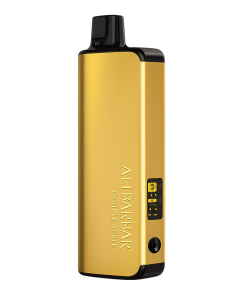
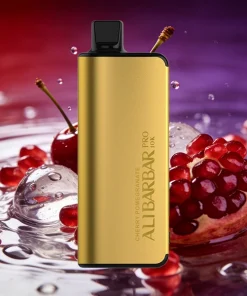
Shop the Alibarbar Pro 10000 in Australia across 11 flavours, a balanced mid capacity device, with fast discreet delivery Australia wide.
Alibarbar Pro 10000
Alibarbar Pro 10000
Alibarbar Pro 10000
Alibarbar Pro 10000
Alibarbar Pro 10000
Alibarbar Pro 10000
Alibarbar Pro 10000
Alibarbar Pro 10000
Alibarbar Pro 10000
Alibarbar Pro 10000
Alibarbar Pro 10000
Alibarbar Pro 10000 in Australia
This range holds 11 Alibarbar Pro 10000 products, priced in Australian dollars and delivered discreetly Australia wide.
At 10000 the Pro sits in the most popular part of the capacity range, which raises an obvious question: there is another 10000 rated range stocked here, so how do you choose between two devices with the same number on the box? That question is more interesting than it looks and is where this page starts.
On this page
- Two devices, same rating
- What a rating does not tell you
- What 10000 means
- Capacity comparison
- Why 10000 is the popular middle
- Choosing from 11 flavours
- Switching between manufacturers
- Draw technique and device life
- Common problems
- Buying genuine stock
- Storage in the Australian climate
- Disposing of a dead device
- Sticking with a maker versus shopping around
- Getting the last portion out of a device
- Delivery and packaging
- The waste question
- The rules in Australia
- Alibarbar Pro questions answered
Two devices, same rating
This range and the IGET Bar Pro 10000 carry the same rated capacity, so on paper they are equivalent. In use they are not necessarily, and the reasons are worth knowing.
Flavour lineup. The most consequential difference. Two ranges rarely offer the same flavours, so if a particular profile matters to you, that decides it before anything else does.
Airflow. How freely air moves through a device when you draw. A tighter draw feels concentrated and more like a cigarette. A looser one feels airier and produces more vapour for the same effort. Preferences here are strong once people have experienced both, and it does not appear in any specification.
Form factor. Width, weight and mouthpiece shape decide whether a device is pleasant to carry and use repeatedly. Also absent from specifications.
Range size. 11 options here against 36 in the IGET range. Larger is not automatically better, as covered below.
What a rating does not tell you
The puff rating is the only number most listings give you, and it describes capacity alone.
It says nothing about how the vapour feels, how warm it runs, how the flavour presents, how the device sits in your hand, or how consistently it performs down to the last portion. Those are the things people actually form opinions about, and none of them is measurable from a product page.
This is genuinely a weakness of buying hardware online rather than something to gloss over. What mitigates it is that these characteristics tend to be consistent within a manufacturer range. If you got on with one device from a maker, another from the same maker is a reasonable bet. If you did not, the rating being identical will not save it.

What 10000 means
A rated puff count from short, consistent draws under standardised test conditions. Every manufacturer measures the same way, which is what makes the numbers comparable at all.
Real draws are longer and harder and use more liquid per puff, so your actual total will be lower. That applies to every rated device equally, so the figure stays useful for comparison even though it is not a promise. See the disclaimer.
Capacity comparison
| Range | Rated puffs | Products here | Flavour choice |
|---|---|---|---|
| Kuz Nova 16000 | 16000 | 20 | Moderate |
| IGET One 12000 | 12000 | 23 | Wide |
| IGET Bar Pro 10000 | 10000 | 36 | Widest |
| Alibarbar Pro 10000 | 10000 | 11 | Focused |
| Kuz Ultra 9000 | 9000 | 26 | Wide |
| Alibarbar Ingot 9000 | 9000 | 11 | Focused |
Compare the Alibarbar Ingot 9000, Kuz Nova 16000 or IGET One 12000.
Why 10000 is the popular middle
Devices around this capacity are the most commonly chosen, and the reason is a genuine balance rather than a marketing accident.
They last long enough that replacement is not constant, which captures most of the per puff saving over entry capacity devices. But they are short enough that committing to one flavour is not a long term decision, which keeps the flavour fatigue risk manageable.
Above this point, the economics keep improving but the commitment lengthens. Below it, the flexibility improves but you replace devices more often. For most regular users this range is where those two curves cross.
Choosing from 11 flavours
Narrow by family first: fruit, mint and menthol, dessert and sweet, or combinations. With 11 options that leaves two or three to choose between quickly.
At this capacity, weight the choice slightly towards profiles that wear well over distance. Simpler fruit and mint profiles generally hold up better than layered sweet ones, which can become cloying before a device is finished.
A focused range has an underrated advantage. Long lists are usually a few families with close variations inside each, so choosing between four similar tropical blends feels like a choice without being one. A shorter list tends to cover the families with less duplication.
Switching between manufacturers
If you are moving here from another range, expect the experience to differ even at the same rating and even in a nominally similar flavour.
Airflow, coil arrangement and how warm a device runs all shape how a flavour presents. A profile you enjoyed elsewhere may read as lighter or heavier here without either being wrong. Drawing more gently moderates intensity if a new device feels stronger than you expected.
Because of that, treat the first device from an unfamiliar maker as a small experiment even in a familiar flavour, which is exactly the argument for testing at a lower capacity before committing at a higher one.
Draw technique and device life
The largest single factor in how long any device lasts, larger than the gap between neighbouring ratings.
Short gentle draws come closest to the standardised test conditions and therefore closest to the rating. Long hard pulls consume more liquid, overheat the coil and produce a harsh note in an otherwise good device. Pausing between draws lets the coil rewet. There is no trade off: gentler lasts longer and tastes better.
Common problems
Stopped with liquid left. Usually the battery on a non rechargeable device, which is normal for the format rather than a fault.
Weak output. If cold, warm it to room temperature and it recovers fully.
Burnt taste. Coil dry or overheating, usually from forceful draws. It will not recover once it starts.
Leaking. Usually heat thinning the liquid, or being carried horizontally. Store upright.
Genuine faults are covered by the returns policy. Say whether liquid remains and whether it ever worked properly.
Buying genuine stock
Popular ranges attract imitations because packaging is cheap to copy, a recognised name carries a premium, and sealed devices look alike.
Watch for flimsy packaging, print or spelling errors, pricing far below everything comparable, and a device that feels lighter or differently finished than previous purchases. The most reliable protection is buying somewhere you can contact afterwards. See the payment and security page, and Scamwatch for current patterns.
Storage in the Australian climate
Room temperature, upright, out of direct sun. Never in a car, where an Australian summer interior routinely exceeds sixty degrees, thinning the liquid and stressing the battery. See the Brisbane page. Keep devices away from children and animals, per the age verification policy.
Disposing of a dead device
A spent device contains a lithium battery and does not belong in household rubbish, where batteries are a genuine fire risk during collection and sorting. Use a battery or e waste collection point. Recycling Near You lists what your council accepts.
Sticking with a maker versus shopping around
Once you have used a few devices, a genuine strategic choice appears, and there is a reasonable case on both sides.
Sticking with one maker is the lower variance option. The characteristics that never appear in specifications, airflow, how warm a device runs, mouthpiece shape, how consistently it performs down to the last portion, tend to be similar across a manufacturer range. If one device suited you, another from the same maker probably will. You give up the chance of finding something better, and you gain predictability.
Shopping around costs you that predictability and buys the possibility of a better fit. Since none of the relevant characteristics is published, the only way to discover them is to try, and someone who never leaves one range will never know whether a looser draw or a different mouthpiece would have suited them better.
The sensible compromise is to shop around at low capacity and stick with what works at high capacity. Testing an unfamiliar maker on an entry device costs little if it does not suit you. Testing one on the largest device available is where an experiment turns expensive.
Whichever you do, write down what you concluded. Preferences about airflow and form factor are exactly the sort of thing people forget between purchases and then rediscover the hard way.
Getting the last portion out of a device
Devices frequently deteriorate before they are genuinely empty, and a little of that is recoverable.
As liquid depletes, the coil is less reliably fed, which is why the last part of a device often tastes harsher than the middle. Drawing more gently and pausing longer between draws helps considerably here, because both give the remaining liquid time to reach the coil. It is the opposite of the instinct, which is to draw harder when output drops.
Keeping the device upright between uses matters more at this stage too, since it lets what is left settle towards the coil rather than clinging to the sides.
What is not worth doing is persisting once the taste turns genuinely burnt. That indicates the coil is running dry, and continuing produces an unpleasant result without extracting anything useful. At that point the device is finished regardless of what the rating said, and it should go to a battery or e waste collection point rather than the bin.
Delivery and packaging
Orders ship Australia wide in plain outer packaging with tracking on every dispatched order. See the shipping and delivery page or the wider vapes range.
The waste question
Worth addressing directly rather than leaving unsaid, because it is a reasonable thing to think about and most retailers avoid the subject entirely.
Every disposable device discards a battery, a coil and a housing along with the liquid. At this capacity you are discarding that assembly less often than with an entry device, which genuinely reduces the waste per unit of use, but the format remains the most wasteful of the three sold here.
If that matters to you, there are two honest responses. The first is capacity: buying at 10000 rather than 9000 produces measurably less hardware waste over the same amount of use, and buying higher still produces less again. The second is switching format entirely, since a reusable device replaces only the liquid and produces dramatically less waste, as well as costing less for regular use.
What is not an honest response is treating disposal as somebody else problem. A spent device belongs at a battery or e waste collection point rather than in household rubbish, because lithium batteries in general waste cause fires in collection trucks and sorting facilities in Australia regularly, and those fires endanger waste workers. Recycling Near You will tell you where your nearest drop off is.
Disposables remain the right choice for occasional use, and there is nothing wrong with choosing one. The point is simply to dispose of it properly rather than to pretend the question does not arise.
The rules in Australia
Australian rules on vaping and nicotine are set federally and by each state and territory and have changed materially in recent years. We are a retailer, not a legal adviser. The TGA vaping hub and the Department of Health and Aged Care publish the current position, and the Alcohol and Drug Foundation covers effects and risks.
Strictly for adults, per the terms and conditions.
Alibarbar Pro questions answered
How many Alibarbar Pro 10000 products do you stock?
11 in this range, delivered Australia wide in plain packaging.
How does this differ from the IGET Bar Pro 10000?
Same rated capacity, different flavour lineup, and potentially different airflow and form factor, none of which appears in a specification. The flavour range usually decides it.
Will I get 10000 puffs?
Fewer, as with every rated device. The rating comes from short standardised test draws while real use pulls more liquid per puff.
Why is 10000 such a common capacity?
It balances two things. Long enough that replacement is not constant, short enough that committing to one flavour is not a long term decision.
Is 11 flavours too few?
Less limiting than it sounds. Long lists are usually a few families with close variations, so a focused range often covers the same ground with less duplication.
My usual flavour tastes different here. Why?
Airflow, coil arrangement and how warm a device runs all shape how a flavour presents. Drawing more gently moderates it if the device feels stronger than expected.
It stopped with liquid inside. Faulty?
Usually not. The battery commonly runs down before the liquid on non rechargeable devices.
How do I dispose of it?
Not in household rubbish. It contains a lithium battery. Use a battery or e waste drop off point.