

Browse 50 CBD and THC tinctures in Australia from trusted makers, with precise dropper dosing and fast discreet delivery Australia wide.
CBD and THC Tinctures Australia
CBD and THC Tinctures Australia
CBD and THC Tinctures Australia
CBD and THC Tinctures Australia
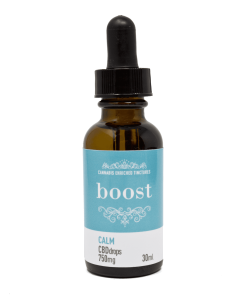
CBD and THC Tinctures Australia
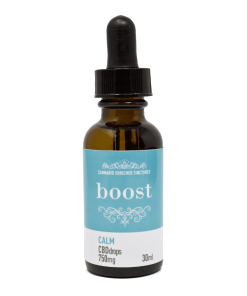
CBD and THC Tinctures Australia
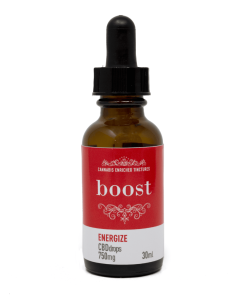
CBD and THC Tinctures Australia
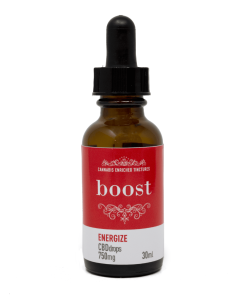
CBD and THC Tinctures Australia
CBD and THC Tinctures Australia
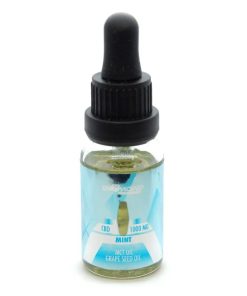
Buy Diamond Concentrates, 1000mg CBD Tincture, Mint Australia
CBD and THC Tinctures Australia
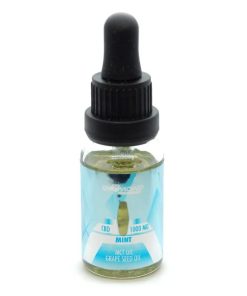
Buy Diamond Concentrates, 1000mg CBD Tincture, Mint Australia
CBD and THC Tinctures Australia
CBD and THC Tinctures Australia
CBD and THC tinctures in Australia
This category holds 50 CBD and THC tinctures from a range of makers, priced in Australian dollars and delivered discreetly Australia wide.
Tinctures are the most precise format sold on this site and the least understood. A dropper lets you take a genuinely small amount, which no fixed size gummy can do, and the ratio printed on the bottle changes the character of the product far more than the brand name does. Both points are covered below.
On this page
- What a tincture is
- Reading the ratio, the most important number
- Working out your actual dose
- Common ratios compared
- How tinctures are taken
- Onset and duration
- Why dose control matters
- Choosing your first bottle
- Storage and shelf life
- Carrier oils and taste
- Full spectrum, broad spectrum and isolate
- Delivery and packaging
- The law and health advice
- Tincture questions answered
What a tincture is
A tincture is a liquid taken with a dropper, usually held under the tongue. Traditionally a tincture used an alcohol base and an oil used a carrier such as coconut oil, but in practice the two words are used interchangeably on product labels and the distinction rarely tells you anything useful.
What matters instead is what is in the bottle: the total milligrams, the ratio of CBD to THC, and how much a single drop delivers. Those three numbers describe the product completely. The word on the front does not.
Related formats sit in THC oils, CBD gummies and THC gummies.
Reading the ratio, the most important number
On anything carrying both cannabinoids, the ratio tells you the character of the product, and it matters more than anything else on the label.
A 22:1 product carries twenty two parts CBD for every one part THC. It is CBD dominant with only a trace of THC, and it behaves very differently from something balanced.
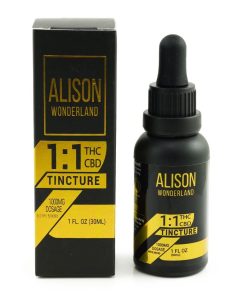
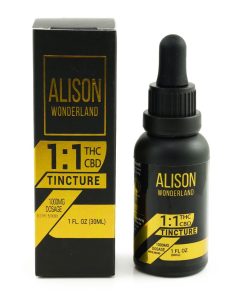
A 1:1 product carries equal parts of each and is a substantially different proposition.
A THC dominant tincture inverts the relationship again.
The trap is that a single brand frequently sells several ratios under near identical packaging, differing only in a small number on the label. Read the ratio before the brand name, every time. Ordering the right maker and the wrong ratio is one of the most common mistakes in this category and it is entirely avoidable.
Working out your actual dose
The headline milligram figure describes the whole bottle, which is not the number you actually consume.
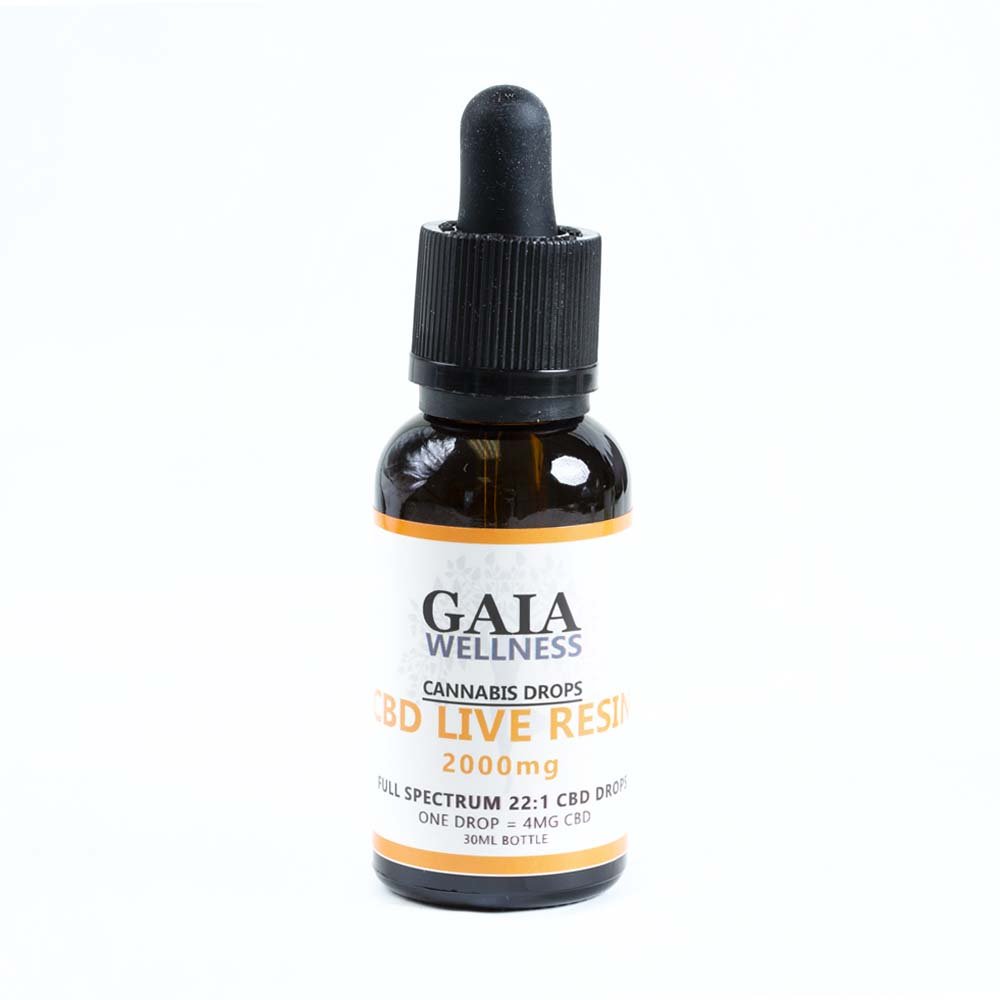
What you need is the per drop or per millilitre figure, which good listings state directly. A 2000mg bottle delivering four milligrams per drop is a gentle product despite the impressive number on the front, because a few drops is a small dose. A smaller bottle with a much higher concentration per drop is stronger in use.
If a listing gives a total and a volume, the arithmetic is straightforward and worth doing before you buy. Comparing bottle totals across products of different concentration compares nothing at all. The FAQ covers label reading generally.
Common ratios compared
| Ratio | Character | THC content | Typically chosen for |
|---|---|---|---|
| 22:1 or 20:1 | CBD dominant | Trace | Minimal intoxicating effect |
| 10:1 | CBD forward | Low | Some THC presence |
| 3:1 | CBD leaning | Moderate | Noticeable but not dominant |
| 1:1 | Balanced | Equal | Both compounds together |
| THC dominant | THC led | High | Primarily THC effect |
How tinctures are taken
The usual method is sublingual, meaning the drops are held under the tongue for a short period before swallowing. The intention is absorption through the tissue there rather than purely through digestion.
They can also be added to food or drink, which is convenient and shifts the product towards behaving like an edible, with a slower onset and a longer duration.
Whichever way you use it, keep the dropper clean and do not let it touch your mouth before returning it to the bottle.
Onset and duration
Taken under the tongue, a tincture generally acts faster than a gummy and slower than anything inhaled. Added to food, it behaves much more like an edible.
That middle position is part of the appeal. You get considerably more predictability than an edible without the immediacy of a vape, and you keep fine control over the amount, which is the real advantage of the format.
As with every format here, the same product behaves differently for different people, and a full stomach slows things down. Start low, wait properly, and only then adjust.
Why dose control matters
This is the genuine argument for tinctures over every other format on the site.
A gummy comes in the size it comes in. If the smallest piece available is more than you want, your options are to cut it, which is approximate because the active ingredient is not always evenly distributed, or to take more than you intended.
A dropper has no such limit. You can take two drops, or one, or increase by a single drop between sessions until you find what suits you. For anyone who is cautious, sensitive, or simply wants to find a genuine minimum rather than guess at it, that granularity is worth more than any other feature.
It is also why tinctures are the format we point people towards after a bad experience with edibles. The problem in those cases is almost always dose control, and this is the format that solves it.
Choosing your first bottle
Decide the ratio first, since it defines the product. If you want minimal intoxicating effect, look at the CBD dominant end. If you want both compounds working together, a balanced ratio.
Then check the per drop figure rather than the bottle total, and start with a low strength. Take the smallest sensible amount, wait properly, and increase by a drop at a time across sessions rather than doubling.
Buy one bottle before buying several. Taste varies noticeably between makers and carriers, and some products carry a strong natural flavour that people either accept or dislike immediately.
Storage and shelf life
Tinctures are the most robust format in this store, which is a genuine practical advantage in the Australian climate.
A sealed bottle in a cupboard is largely indifferent to what the weather is doing, where flower is vulnerable to both heat and humidity. Keep it upright, out of direct light, at a stable room temperature, and away from any heat source.
Check the packaging for a date printed by the maker. Properly stored, tinctures keep considerably longer than flower does, which makes them a more sensible format to buy in quantity.
Keep bottles locked and away from children and animals, per the age verification policy. A dropper bottle is easy for a child to open and there is no visual cue about what is inside.
Carrier oils and taste
Taste is the most common reason people abandon a tincture they otherwise got right, and it comes down mostly to the carrier.
The carrier is whatever the active ingredients are suspended in, commonly coconut derived oil, hemp seed oil or a similar edible oil. Each carries its own flavour and texture. Coconut derived carriers are generally the most neutral. Hemp seed carriers taste noticeably more of the plant, which some people like and others find difficult to hold under the tongue for any length of time.
On top of that, full spectrum products carry more of the plant compounds and therefore more of the plant flavour. That earthy, slightly bitter taste is not a defect and is not a sign the product has spoiled. It is what the material tastes like without heavy processing.
If taste is the barrier, three things help. Some products are flavoured, commonly with citrus or mint. Holding the drops under the tongue and then following with water shortens the exposure. And adding the dose to food or a strong flavoured drink removes the issue entirely, at the cost of shifting the product towards behaving like an edible with a slower onset.
Buying one bottle before several matters here more than in most categories, precisely because taste is so individual and so decisive.
Full spectrum, broad spectrum and isolate
Three terms appear constantly on tincture labels and they describe how much of the original plant material survived processing.
Full spectrum retains the broadest range of compounds from the plant, including the minor cannabinoids and terpenes alongside the headline ones. It carries the strongest natural flavour for that reason.
Broad spectrum keeps much of that range while removing certain compounds during processing.
Isolate is the opposite end, a single compound separated from everything else. It is the most neutral in taste and the most straightforward to reason about, because there is only one variable in the bottle.
Which suits you is a matter of preference rather than one being objectively better. What is worth knowing is that these terms describe processing rather than strength, so a full spectrum product is not automatically stronger than an isolate. Strength is the milligram figure and the ratio, which are separate numbers on the same label.
As with everything in this category, the specifics of what any given product contains are set by its maker and printed on the packaging you receive, which is the more current source if it differs from a listing. The disclaimer explains how we treat manufacturer information.
Delivery and packaging
Orders ship Australia wide in plain outer packaging, with tracking on every dispatched order. Bottles are packed so they do not move in transit. See the shipping and delivery page, and contact us with photographs if anything arrives damaged, per the returns policy.
The law and health advice
Nothing sold here is offered as a treatment for any condition and nothing on this site is medical advice. If you take prescription medication, have a health condition, or are pregnant or breastfeeding, speak to a doctor or pharmacist before using anything in this category. Interactions are real and a pharmacist can check them quickly.
Australian rules are set federally and by each state and have changed in recent years. The Therapeutic Goods Administration publishes what has been assessed and approved, the Department of Health and Aged Care covers the federal position, and healthdirect Australia is a reliable health information service. See also the disclaimer.
Tincture questions answered
How many tinctures do you stock?
50 CBD and THC tinctures in this category, from a range of makers, delivered Australia wide.
What does a ratio like 22:1 mean?
Twenty two parts CBD to one part THC, so CBD dominant with only a trace of THC. Always read the ratio before the brand name, because makers sell several ratios under near identical packaging.
Is a tincture the same as an oil?
In practice the words are used interchangeably. What matters is the total milligrams, the ratio and how much a single drop delivers, not the word on the front.
How do I work out my dose?
Use the per drop or per millilitre figure, not the bottle total. A 2000mg bottle delivering four milligrams per drop is a gentle product despite the large headline number.
Why choose a tincture over a gummy?
Dose control. A dropper lets you take one drop or two, where a gummy comes in one fixed size and cutting it is approximate. If you found edibles unpredictable, this is the format that fixes it.
How fast does a tincture work?
Held under the tongue, generally faster than a gummy and slower than anything inhaled. Added to food it behaves much more like an edible.
How long do tinctures keep?
Considerably longer than flower when stored properly. Keep them sealed, upright, out of light, at a stable room temperature, and check any date printed by the maker.
Can I take a tincture with my medication?
Ask a doctor or pharmacist. We are a retailer and cannot advise on interactions, and a pharmacist can check them in minutes.