

Shop 10 THC vape liquids in Australia for refilling hardware you already own. Compatibility and dosing guidance, with fast discreet delivery.
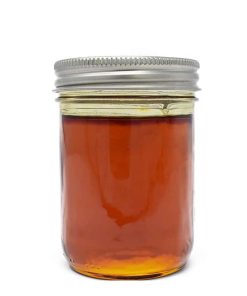
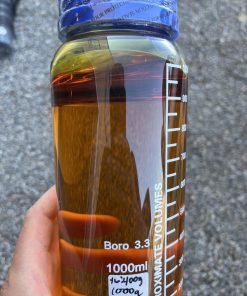
THC Vape Liquid Australia
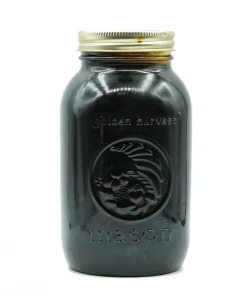
THC Vape Liquid Australia
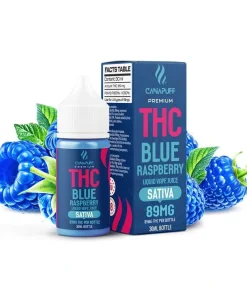
THC Vape Liquid Australia
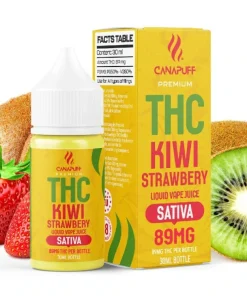
THC Vape Liquid Australia

THC Vape Liquid Australia
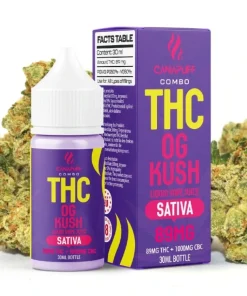
THC Vape Liquid Australia
CanaPuff THC/1000mg CBC, OG Kush 89mg THC, Liquid, 30 ml Australia
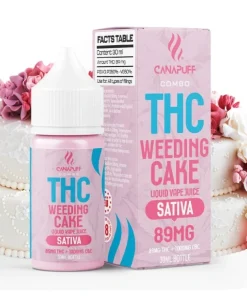
THC Vape Liquid Australia
CanaPuff THC/1000mg CBC, Weeding Cake 89mg THC, Liquid, 30 ml Australia
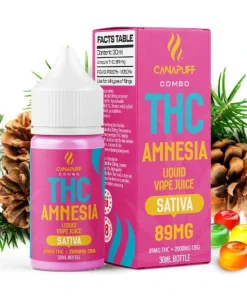
THC Vape Liquid Australia
CanaPuff THC/2000mg CBD, Amnesia 89mg THC, Liquid, 30 ml Australia
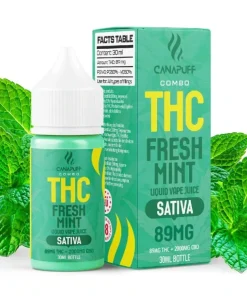
THC Vape Liquid Australia
CanaPuff THC/2000mg CBD, Fresh Mint 89mg THC, Liquid, 30 ml Australia
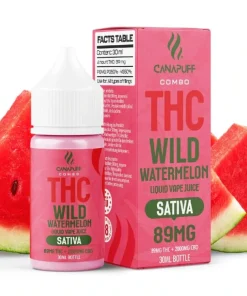
THC Vape Liquid Australia
CanaPuff THC/2000mg CBD, Wild Watermelon 89mg THC, Liquid, 30 ml Australia
THC vape liquid in Australia
This category holds 10 THC vape liquids, priced in Australian dollars and delivered discreetly Australia wide.
This category exists for people who already own hardware. If you do not, liquid on its own will not do anything, which is the single most important thing on this page and the reason it is stated in the first two sentences rather than buried.
On this page
- You need hardware first
- Compatibility, the thing to check
- Reading a liquid listing
- Refilling against disposables
- What refilling actually saves
- Filling properly
- Liquid and coil life
- Switching flavours cleanly
- Storage and shelf life
- Carrying liquid
- Handling and safety
- Working out cost per millilitre
- Reducing waste by refilling
- Delivery and packaging
- Choosing a liquid for your hardware
- The rules in Australia
- Vape liquid questions answered
You need hardware first
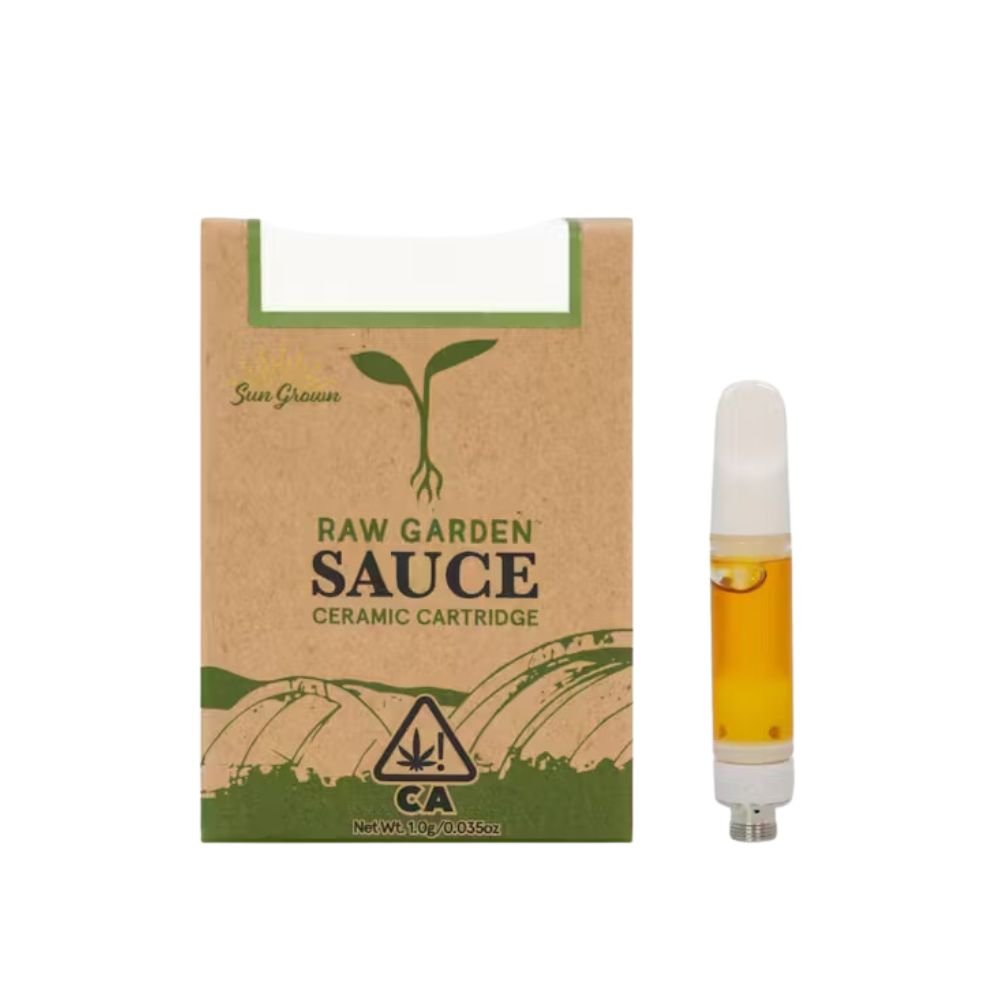
Liquid is a consumable. Without a device to put it in, it does nothing at all.
This is the same trap as buying a cartridge with no battery, and it catches people the same way: liquid looks inexpensive next to a complete device, so it appears to be the better value option when in fact it is only part of a purchase.
If you do not own hardware, start with reusable vapes or, if you want no setup at all, a disposable.
Compatibility, the thing to check
Not every liquid suits every device, and getting this wrong wastes both.
The main consideration is viscosity, meaning how thick the liquid is. Thicker liquids need hardware designed to handle them, because a device built for thinner liquid will not feed a thick one to the coil properly, which produces weak output and a burnt taste as the coil runs dry. Thin liquid in hardware built for thick liquid tends to leak instead.
Check what your device is designed for before ordering. If you are unsure, ask through the contact page with a link to your hardware, which is faster than guessing and cheaper than a mismatch.
Reading a liquid listing
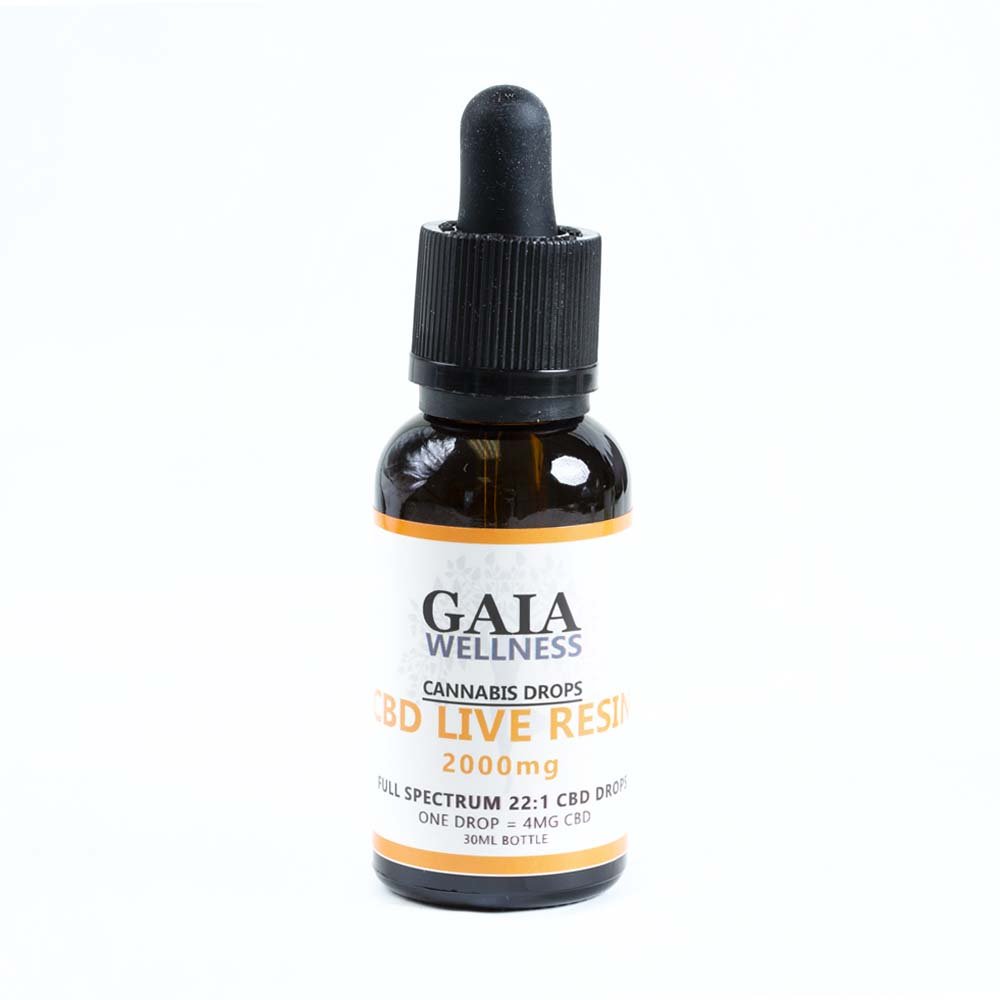
Two numbers matter and they answer different questions.
Volume, usually in millilitres, tells you how much liquid you are buying and therefore how many refills it represents. It says nothing about strength.
Concentration, usually in milligrams, tells you how much active material is in that volume. A larger bottle at a lower concentration and a smaller bottle at a higher one can contain a similar total, so compare on concentration when you care about strength and on total content when you care about value.
Dividing the total by the volume gives you a per millilitre figure, which is the only number that lets you compare two products of different sizes properly.
Refilling against disposables
| Refilling | Disposables | |
|---|---|---|
| Hardware cost | Once | Every time |
| Ongoing cost | Liquid only | Whole device |
| Flavour changes | Whenever you like | When the device ends |
| Waste | Minimal | Battery every time |
| Effort | Some | None |
| Compatibility to check | Yes | No |
What refilling actually saves
The saving is real and it is worth quantifying rather than asserting.
Every disposable purchase includes a battery, a coil and a housing alongside the liquid. Refilling buys the liquid alone. For a regular user that difference compounds quickly, because the hardware component of a disposable is paid again with every single replacement.
There is a second saving people overlook: you stop discarding half used devices. Flavour fatigue leads plenty of people to abandon a disposable before it is finished, and everything left in it is money gone. With refillable hardware, tiring of a flavour costs you the remainder of a bottle at most, and you can simply change.
Filling properly
Do not overfill. Most tanks have a fill line and exceeding it is the usual cause of leaking and of liquid entering the airway.
Fill along the side of the tank rather than down the centre, because the centre is typically the airway, and putting liquid there creates exactly the problem you are trying to avoid.
Let a freshly filled tank stand for a few minutes before use so the coil saturates. Firing a dry coil is the most reliable way to ruin a new one immediately, and it is the most common first day mistake with refillable hardware.
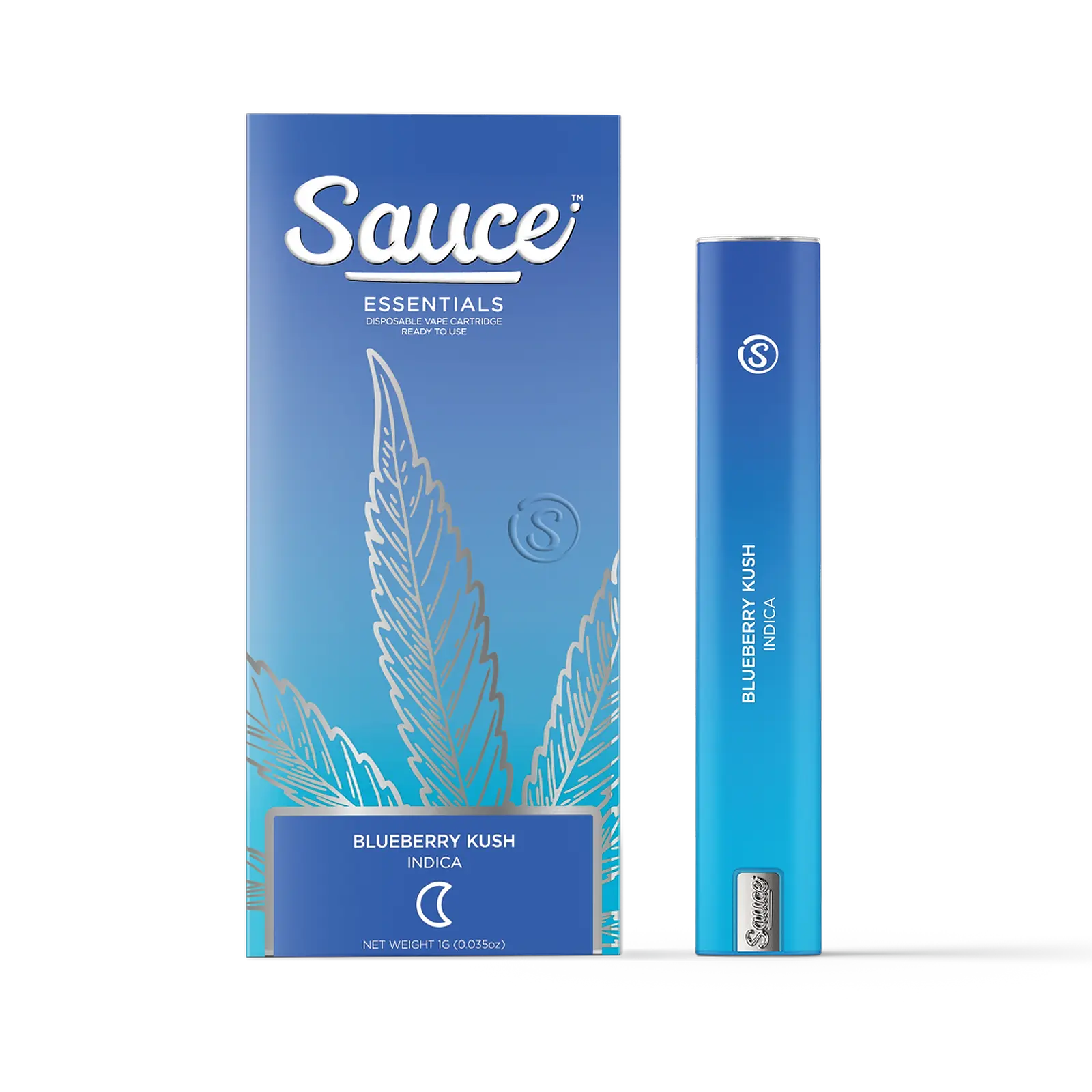
Liquid and coil life
The liquid you choose affects how long a coil lasts, which is not obvious until it happens.
Thicker liquids and heavily sweetened ones build residue on a coil faster, shortening its life. If you find yourself replacing coils unusually often, the liquid is a more likely explanation than the hardware.
Drawing gently helps here as it does everywhere else. Aggressive draws overheat the coil regardless of what is in the tank.
Switching flavours cleanly
Residue carries flavour, so going from something strong to something delicate without cleaning means tasting the previous one for a while.
Rinse the tank with warm water and dry it thoroughly before refilling, or change the coil at the same time if you are switching between very different profiles. Thoroughly matters, since water left in a tank will reach the coil.
The ability to change flavour whenever you like is one of the genuine advantages of refilling, and a minute of cleaning is what makes it work properly.
Storage and shelf life
Sealed, upright, cool, dark, in one stable location. Liquid is more stable than flower but heat and light degrade it over time, and heat also thins it, which affects how it behaves in a device.
Never leave liquid in a car, where an Australian summer interior routinely exceeds sixty degrees. Check any date printed by the manufacturer, and treat the packaging you receive as the more current source of information if it differs from a listing.
Carrying liquid
Keep bottles upright and sealed in a bag, ideally inside something that will contain a leak. Pressure changes during a flight can force liquid past a cap, which is why bottles sometimes empty into luggage, and a sealed pouch avoids the mess entirely.
Lithium battery rules apply to your device rather than to the liquid, and the Civil Aviation Safety Authority publishes what may be carried and how.
Handling and safety
Wash your hands after handling liquid and avoid skin contact where you can. Keep bottles sealed and away from children and animals, per the age verification policy. A small bottle is easy to open and gives no visual clue about what it contains.
Never decant liquid into an unlabelled container. The label carries the strength information, and an unmarked bottle is unusable to you and dangerous to anyone else.
Working out cost per millilitre
Bottle prices are not comparable across sizes, and doing the arithmetic takes seconds.
Divide the price by the volume and you have a cost per millilitre. Do that for every bottle you are considering and the comparison becomes obvious, which it never is from the shelf price alone. Larger bottles almost always work out cheaper per millilitre, which is the ordinary volume discount.
The caveat is the same one that applies everywhere in this store. A large bottle is only cheaper if you actually use it. Buying a big bottle of an untested flavour converts a small experiment into a commitment, and while liquid keeps better than flower, it does not keep indefinitely and it does not improve with age.
The sequence that works is a small bottle first to establish that a flavour suits both you and your hardware, then a larger one once you are confident. Note that both parts of that matter: a liquid can be pleasant and still be wrong for your device, and you will only discover the second part by using it.
Compare against a disposable on the same basis. Take what a disposable costs and how long it lasts, and set that against the cost of the equivalent volume in liquid. For regular users the gap is usually larger than expected.
Reducing waste by refilling
Refilling is the lowest waste option available for vaping and it is worth stating what that actually amounts to.
A disposable discards a lithium battery, a coil and a plastic housing every time it is replaced. Refilling discards a coil periodically and an empty bottle, with the battery and housing continuing in service. Over a year of regular use that is a substantial difference in physical waste, and specifically in the number of lithium batteries entering the waste stream.
Batteries in household rubbish are a genuine hazard rather than an abstract concern. They are crushed during collection and sorting and can ignite when damaged, causing fires in Australia regularly and endangering waste workers. Fewer of them is a real benefit rather than a marketing point.
Empty bottles and spent coils should still be disposed of sensibly rather than simply binned, and where a device eventually reaches end of life it belongs at a battery or e waste collection point. Recycling Near You lists what your own council accepts and where the nearest drop off is.
Delivery and packaging
Orders ship Australia wide in plain outer packaging with tracking on every dispatched order, packed so bottles do not move in transit. Contact us with photographs if anything arrives damaged, per the returns policy.
Choosing a liquid for your hardware
A short decision sequence, since compatibility is the thing most likely to go wrong in this category.
Start with what your device is built for. Manufacturers state what a device is designed to handle, and that is the constraint everything else works within. A liquid that is wrong for your hardware will disappoint regardless of how good it is in the abstract.
Then decide on concentration. Higher concentration means you use less per session, which stretches a bottle further but narrows the margin for taking more than you intended. Lower concentration is more forgiving and costs more per unit of effect.
Then choose flavour. Deliberately last, because it is the easiest thing to change and the only one of the three that costs you nothing to get wrong beyond the remainder of a bottle.
Buy small the first time. A small bottle tests both the flavour and the hardware match. You will only discover the second by using it, and finding out on a large bottle is an expensive way to learn.
If you are unsure at any step, ask through the contact page with a link to your device. That takes one message and avoids a mismatch that wastes both the liquid and your time.
The rules in Australia
Australian rules on vaping and nicotine are set federally and by each state and territory and have changed materially in recent years. We are a retailer, not a legal adviser. The TGA vaping hub and the Department of Health and Aged Care publish the current position.
Strictly for adults, per the terms and conditions.
Vape liquid questions answered
How many vape liquids do you stock?
10 in this category, intended as refills for hardware you already own.
Can I use this without a device?
No. Liquid is a consumable and does nothing on its own. If you do not own hardware, start with a reusable device or a disposable.
Will any liquid work in my device?
Not necessarily. Viscosity is the main issue: thick liquid in hardware built for thin will starve the coil and taste burnt, and thin liquid in hardware built for thick tends to leak. Check before ordering, or ask with a link to your hardware.
How do I compare two bottles?
Divide the total milligrams by the volume to get a per millilitre figure. Volume alone tells you quantity, not strength.
Why does my coil keep burning out?
Thicker and heavily sweetened liquids build residue faster. If coils are failing unusually often, the liquid is a more likely cause than the hardware.
Why is my tank leaking after a refill?
Usually overfilling, or filling down the centre where the airway is. Fill along the side and stay under the fill line.
How do I switch flavours without tasting the old one?
Rinse the tank with warm water and dry it thoroughly, or change the coil at the same time if the two profiles are very different.
How should I store liquid?
Sealed, upright, cool and dark. Heat thins it and degrades it, so never leave it in a car.