

Browse 3 THC oils in Australia made for precise dropper dosing, the most controllable format in the store, with fast discreet delivery Australia wide.
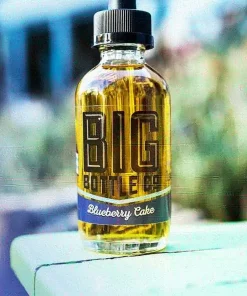
THC Oils Australia
THC Oils Australia
THC Oils Australia
THC oils in Australia
This is a small category of 3 products, priced in Australian dollars and delivered discreetly Australia wide. The closely related and considerably larger CBD and THC tinctures range sits alongside it with 50 products.
Oils are the most precise format sold on this site. A dropper lets you take an amount no fixed size product can match, which makes this the right category for anyone who has found other formats unpredictable.
On this page
- What a THC oil is
- Oil or tincture, does it matter
- The numbers that matter
- Working out a per drop figure
- Oils against other formats
- Why dose control is the whole point
- How oils are taken
- Onset and duration
- Starting properly
- Finding your own minimum
- Carrier oils and taste
- Adding oil to food
- Storage and shelf life
- Safety and interactions
- Delivery and packaging
- The law in Australia
- THC oil questions answered
What a THC oil is
A liquid containing THC suspended in a carrier oil, taken with a dropper. The carrier is commonly a coconut derived oil or a similar edible oil, and it affects the taste considerably more than it affects anything else.
Unlike an inhaled product, nothing is combusted or vaporised. Unlike a fixed size edible, the amount you take is entirely up to you rather than set by a manufacturer.
Oil or tincture, does it matter
In practice the two words are used interchangeably on product labels, and the distinction rarely tells you anything useful.
Traditionally a tincture used an alcohol base and an oil used a fat based carrier. Today both terms are applied loosely to dropper bottles of either kind. What actually describes the product is the total milligrams, the ratio if it contains both compounds, and how much a single drop delivers. The word on the front does not.
So do not choose between the two categories on the label. Choose on the numbers, and browse both this range and the larger tinctures category together.
The numbers that matter
Total milligrams describes the whole bottle. It tells you how much you are buying, not how strong a dose is.
Volume, usually in millilitres, tells you how much liquid that total is spread through.
The ratio, on anything containing both CBD and THC, describes the character of the product and matters more than the brand name. Makers routinely sell several ratios in near identical packaging.
A large total in a large bottle can be gentler per drop than a smaller total in a small one. Comparing bottle totals alone compares almost nothing.
Working out a per drop figure
This is the number that actually governs what you take, and good listings state it directly.
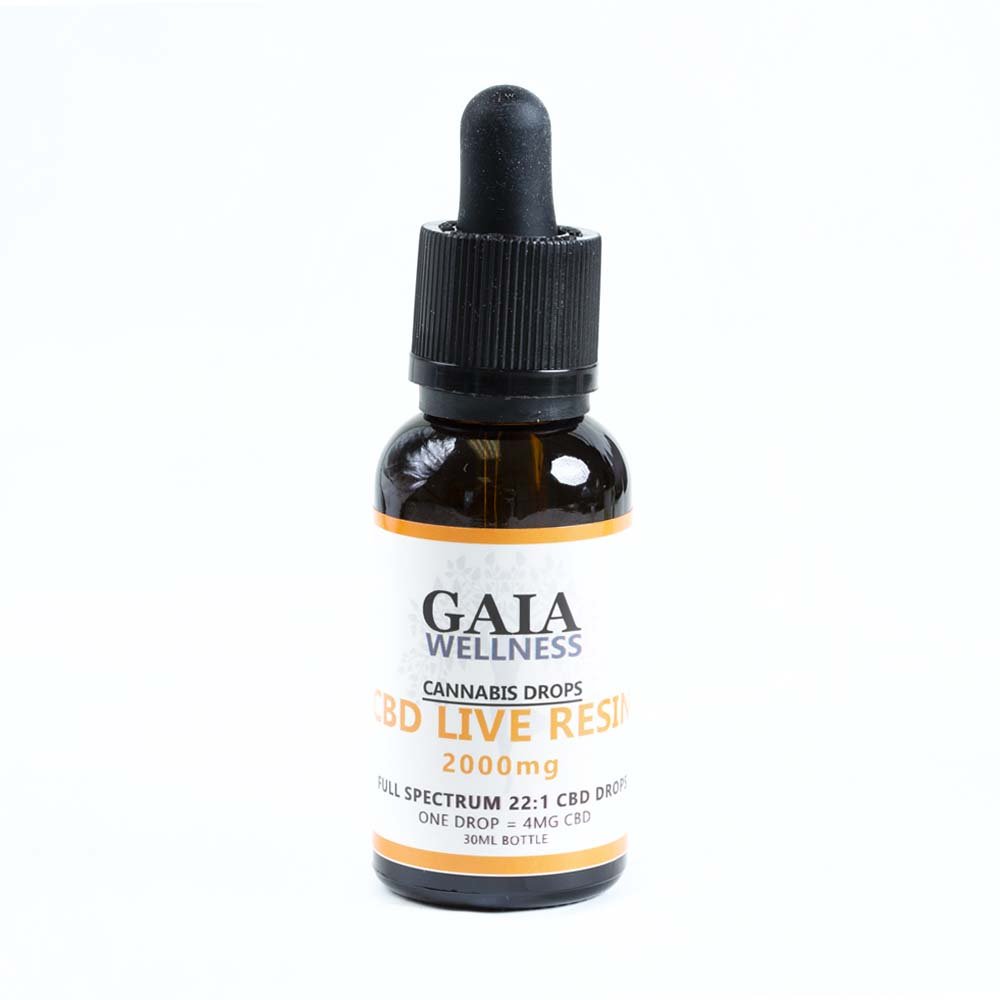
Where a listing gives a total and a volume, dividing gives a concentration per millilitre. From there, the per drop figure depends on the dropper, and manufacturers who state drops per bottle make this easy. A 2000mg bottle delivering four milligrams per drop is a gentle product despite an impressive number on the front, because a few drops is a small amount.
Do this arithmetic before you buy rather than after. It takes seconds and it is the difference between choosing a product and guessing at one.
Oils against other formats
| Oils | Edibles | Vape | Flower | |
|---|---|---|---|---|
| Dose control | Highest | Fixed per piece | Draw by draw | High |
| Smallest increment | One drop | One piece | One draw | Varies |
| Onset | Moderate | Slowest | Minutes | Minutes |
| Duration | Long | Longest | Shortest | Short |
| Smoke or smell | None | None | Vapour | Yes |
| Discretion | High | Highest | Moderate | Lowest |
Why dose control is the whole point
This is the genuine argument for this format over everything else in the store.
A gummy comes in the size it comes in. If the smallest available piece is more than you want, your options are to cut it, which is approximate because the active material is not always evenly distributed, or to take more than you intended. An inhaled product gives you draw by draw control but a much shorter duration.
A dropper has no such limit. Two drops, or one, or one more than last time. For anyone cautious, sensitive, or simply wanting to find a genuine minimum rather than accept a manufacturer serving size, that granularity is worth more than any other feature.
It is also why this is the format we point people towards after a poor experience with edibles. That problem is almost always dose control, and this is what fixes it.
How oils are taken
Usually sublingually, meaning the drops are held under the tongue for a short period before swallowing, with the intention of absorption through the tissue there.
They can also be added to food or a drink, which is more palatable and shifts the product towards behaving like an edible, with a slower onset and longer duration.
Keep the dropper clean and do not let it touch your mouth before returning it to the bottle.
Onset and duration
Held under the tongue, an oil generally acts faster than a gummy and slower than anything inhaled. Added to food, it behaves much more like an edible.
That middle position is part of the appeal. You get considerably more predictability than an edible without the immediacy of a vape, while keeping fine control over the amount.
As with every format, the same product behaves differently for different people, and a full stomach slows things down.
Starting properly
Start with the smallest sensible number of drops of a low concentration product. Wait properly before adding anything. Do not combine with alcohol or an inhaled product on a first attempt, because stacking effects removes your ability to attribute anything.
Buy one bottle before several. Taste varies noticeably between carriers, and full spectrum products carry more plant flavour, which people either accept or dislike immediately.
Finding your own minimum
The advantage of this format is only realised if you actually use it, and most people do not.
Start at a genuinely small number of drops. Hold that constant across several separate occasions rather than adjusting within one, since a single session tells you very little. If it is consistently less than you want, increase by one drop and hold again.
Increasing by one drop at a time feels slow and is the entire point. It finds the smallest amount that does what you want, which is both the cheapest way to use the product and the least likely to produce an experience you did not intend. Doubling instead skips past that point entirely and you never find it.
Write down the number. It is the single most useful piece of information you can have about this format and it is specific to you.
Carrier oils and taste
Taste is the most common reason people abandon an oil they otherwise chose correctly, and it comes down largely to the carrier.
The carrier is whatever the active material is suspended in, commonly a coconut derived oil, hemp seed oil or a similar edible oil. Each carries its own flavour and mouthfeel. Coconut derived carriers are generally the most neutral. Hemp seed carriers taste noticeably more of the plant, which some people like and others find difficult to hold under the tongue for any length of time.
On top of the carrier, products retaining more of the original plant compounds carry more plant flavour. That earthy, slightly bitter character is not a defect and is not a sign anything has spoiled. It is simply what less processed material tastes like.
If taste is the barrier, three things help. Some products are flavoured. Holding the drops under the tongue and following with water shortens the exposure. And adding the dose to food removes the issue entirely, at the cost of shifting the product towards behaving like an edible.
This is why buying one bottle before several matters more here than in most categories. Taste is individual and decisive, and no description substitutes for trying it.
Adding oil to food
Perfectly reasonable, and it changes the product in ways worth understanding before you do it.
Taken into the stomach rather than absorbed under the tongue, an oil behaves like an edible. Onset becomes slower and duration becomes longer. You keep the fine control over quantity that the dropper gives you, which is a genuine advantage over a fixed size edible, but you lose the faster onset that makes sublingual use easier to judge.
The practical implication is that the redosing mistake becomes possible again. If you add drops to food and then conclude after a short while that nothing is happening, you are in exactly the position described on the edibles page. Wait considerably longer than you would when taking it under the tongue.
Two other points. Anything fatty carries the material better than a watery drink, so it mixes more evenly into food than into tea. And do not add it to something you are sharing, for reasons that should be obvious but are worth stating plainly.
Storage and shelf life
Oils are the most robust format in this store, which is a genuine advantage in the Australian climate. A sealed bottle in a cupboard is largely indifferent to weather where flower is vulnerable to both heat and humidity.
Keep it upright, sealed, out of direct light, at a stable room temperature away from any heat source. Never leave it in a car. Check any date printed by the maker, and treat the packaging you receive as the more current source if it differs from a listing.
Properly stored, oils keep considerably longer than flower, which makes them a more sensible format to buy in quantity once you know one suits you.
Safety and interactions
Nothing here is offered as a treatment for any condition and nothing on this site is medical advice. See the disclaimer.
Speak to a doctor or pharmacist before using anything in this category if you take prescription medication, have a health condition, or are pregnant or breastfeeding. A pharmacist can check interactions in minutes.
Keep bottles locked and away from children and animals, per the age verification policy. A dropper bottle is easy for a child to open and gives no visual clue about its contents. Do not drive after use.
Delivery and packaging
Orders ship Australia wide in plain outer packaging with tracking on every dispatched order, packed so bottles do not move in transit. Contact us with photographs if anything arrives damaged, per the returns policy.
The law in Australia
Cannabis law here is set federally and by each state and territory, differs by jurisdiction and has changed in recent years. We are a retailer, not a legal adviser. The Department of Health and Aged Care and the TGA publish the current position, and the Alcohol and Drug Foundation covers effects and risks independently.
Strictly for adults, per the terms and conditions.
THC oil questions answered
How many THC oils do you stock?
3 in this category, with 50 more in the closely related CBD and THC tinctures range.
Is an oil the same as a tincture?
In practice the words are used interchangeably. What describes the product is the total milligrams, the ratio and how much a single drop delivers, not the word on the front.
How do I work out my dose?
Use the per drop or per millilitre figure, not the bottle total. A 2000mg bottle delivering four milligrams per drop is gentle despite the large headline number.
Why choose an oil over an edible?
Dose control. A dropper lets you take one drop or two and adjust by a single drop, where a fixed size edible cannot be divided finely and cutting it is approximate.
How fast does it work?
Held under the tongue, faster than a gummy and slower than anything inhaled. Added to food it behaves much more like an edible.
How do I find the right amount?
Start at a small number of drops, hold it constant across several separate occasions, then increase by one drop at a time.
How long do oils keep?
Considerably longer than flower when stored properly. Keep them sealed, upright, out of light at stable room temperature.
Can I take an oil with my medication?
Ask a doctor or pharmacist first. We are a retailer and cannot advise on interactions.