

Buying Guides, Vaping
Distillate vs Live Resin vs Rosin, Explained
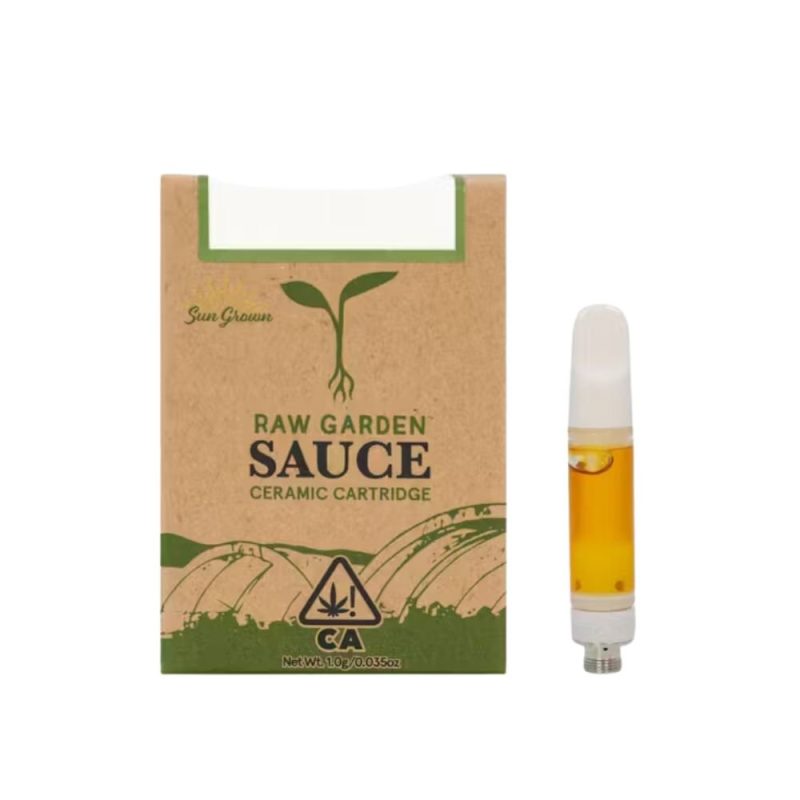
May
Below is what we can tell you about distillate vs live resin, including how it works and what we hold in stock.
You buy two cartridges at similar potency and they taste nothing alike. One is flat and generic, the other tastes distinctly of the strain. That difference is not luck and it is not really about strength. It comes down to how the extract inside was made, which almost no product page explains.
What this guide covers: Distillate Vs Live Resin
- Why two carts at the same percentage differ
- Distillate
- Live resin
- Rosin
- The three compared
- Why terpenes are fragile
- Why flavour costs more
- What the colour of the oil tells you
- Which one should you buy
- Solvent and solventless
- Temperature changes what you taste
- Keeping an extract at its best
- Why provenance matters more here
- Questions people ask
Why two carts at the same percentage differ
A potency percentage tells you how much of one compound is present. It says nothing about what else survived the process, and what else survived is most of what you actually taste.
Cannabis contains many compounds beyond the headline cannabinoid, including the aromatic terpenes that give a strain its smell and much of its character. Extraction methods differ enormously in how much of that survives, and that variation is invisible in a percentage.
So two products can be genuinely identical on the one number a listing usually gives you and be completely different products in the hand. Knowing which type you are buying explains far more about your experience than the percentage does.
Distillate
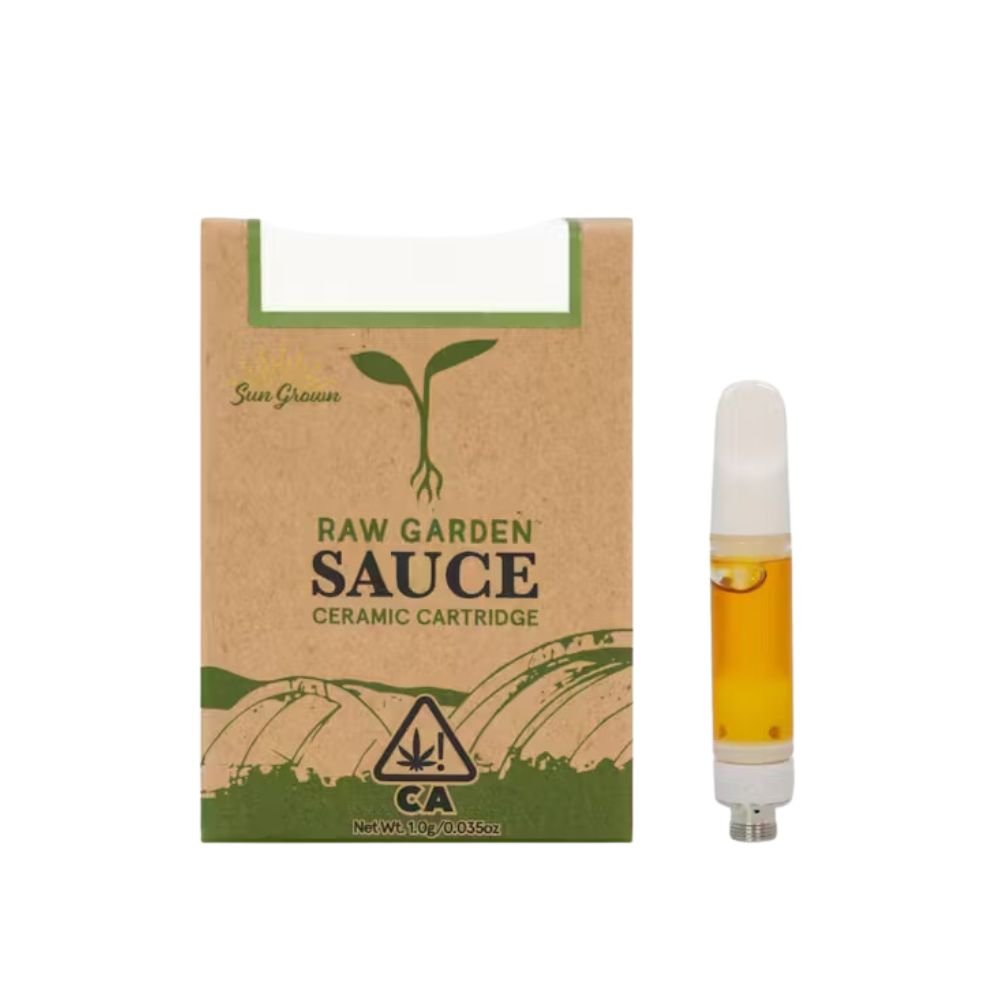
Distillate is heavily refined. The process strips the extract down towards a single target cannabinoid, removing most of everything else along the way.
What you get: high consistency between batches, potency by the numbers, and a product that is largely flavourless on its own. That last point is why distillate carts frequently have flavouring added, sometimes botanical terpenes and sometimes food grade flavouring.
Why people choose it: it is predictable and it is usually the cheaper option. If you want a reliable product and do not particularly care about tasting the source material, distillate does the job well.
The trade: it will not taste of the strain, because the compounds that would have made it taste of the strain were removed. If you have found extracts potent but characterless, this is almost certainly what you were buying.
Live resin
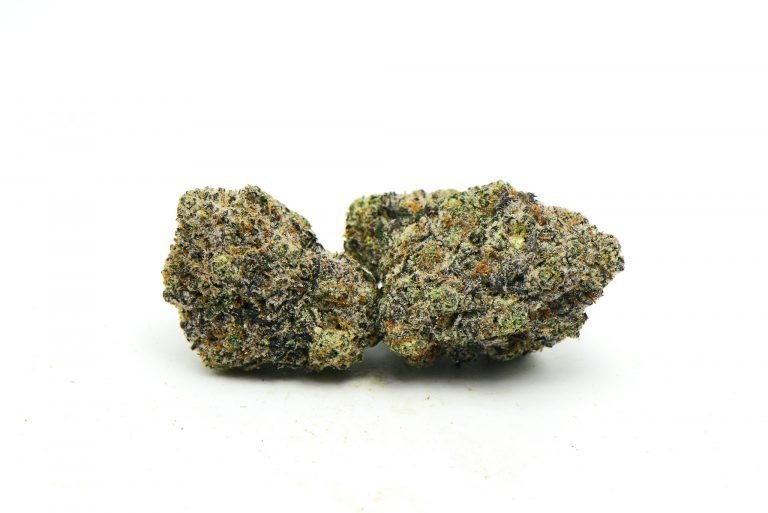
Live resin starts from plant material frozen soon after harvest rather than dried first, and that single decision is the whole point.
Drying is where a great deal of the aromatic content is lost, because terpenes are volatile and evaporate readily. Freezing the material instead preserves far more of it, so the resulting extract carries much more of the original plant character.
What you get: markedly stronger flavour, and an experience many people describe as more rounded or more like the strain it came from.
The trade: it costs more, and it varies more between batches, because you are preserving a natural profile rather than refining towards a standard one. That variation is the point rather than a defect.
Rosin
Rosin is produced using heat and pressure rather than solvents. Mechanically it is closer to how hash has been made for centuries, applied with better equipment.
What you get: strong flavour and a process with no solvent involved at any stage.
Why people choose it: mostly preference about method. If avoiding solvent extraction matters to you, rosin arrives there by design rather than as a claim.
The trade: yields are lower, so it generally costs more, and like live resin it varies between batches.

The three compared
| Distillate | Live resin | Rosin | |
|---|---|---|---|
| Flavour | Neutral, often added | Strong, plant like | Strong |
| Batch consistency | Highest | Varies | Varies |
| Typical price | Lowest | Higher | Higher |
| Starting material | Dried, heavily refined | Fresh frozen | Varies |
| Solvent used | Yes | Yes | No |
| Best for | Value and predictability | Taste and character | Solventless preference |
Why terpenes are fragile
Understanding this makes the price differences make sense.
Terpenes are volatile, meaning they evaporate readily. Heat drives them off, and so does time and exposure to air. Any process optimised purely for yield and potency tends to lose them, because the conditions that maximise extraction of the target compound are often the conditions that destroy everything else.
Preserving them means working around that fragility, which usually means starting from fresh frozen material and processing at lower temperatures. Both add cost and both reduce yield.
That is the entire explanation for why a flavourful extract costs more than a plain one. You are not paying for extra strength, you are paying for the parts that are easiest to lose.
Why flavour costs more
Following directly from the above, the price gap in this category is larger than in most, and it buys something specific.
A plain extract does the job efficiently. A flavourful one delivers the character of the original plant. Neither is better in the abstract, and which is worth paying for depends entirely on what you want from it.
If you are buying primarily for effect and value, distillate is the sensible choice and paying more would be paying for something you do not care about. If the reason you buy cannabis products at all is the character of particular strains, a plain extract will always disappoint you regardless of its percentage.
What the colour of the oil tells you
Buyers read a great deal into colour and most of it is wrong.
Colour is driven largely by how refined the extract is and what plant material survived. Heavily refined distillate tends towards pale and clear. Extracts preserving more of the original compounds tend to be darker and more golden. So colour does tell you something real about processing.
What it does not tell you is quality or strength. A pale cart is not automatically purer and a dark one is not automatically stronger. Reading colour as a quality grade is one of the most persistent myths in this whole category.
Colour does change over time, and that part is worth acting on. Oil darkens gradually with exposure to heat, light and air, so a cart that has darkened noticeably since purchase has probably been stored somewhere too warm rather than being defective. Store devices upright at room temperature, out of direct sun.
Which one should you buy
Buy distillate if you want predictability and value, you are not particularly attached to tasting the source material, or you want the most consistent experience between purchases.
Buy live resin if flavour is a large part of why you buy these products, or if you have found other extracts potent but characterless and been disappointed by them.
Buy rosin if the absence of solvent in the process matters to you specifically.
Whichever you choose, buy one before several. Character varies enormously between products even at similar potency, which is the entire argument of this article, and no description substitutes for trying it. Browse THC vapes, vape pens or concentrates.
Solvent and solventless
A distinction that appears constantly and is often presented as a straightforward quality hierarchy. It is not.
Solvent based extraction uses a solvent to separate compounds from the plant, which is then removed during processing. Solventless methods use heat and pressure instead.
Neither is inherently better. Solvent based methods are efficient and produce consistent results, and the overwhelming majority of extracts on any market use them. Solventless appeals to people who prefer to avoid the question entirely and usually carries a price premium.
What genuinely matters with any solvent based product is that residual solvent has been properly purged. That is a manufacturing quality question you cannot assess by looking at a product, which is precisely why provenance matters more in this category than in most. Buying from somewhere you can contact afterwards is worth more than any visual inspection, and the payment and security page covers identifying trustworthy sellers.
Temperature changes what you taste
Having paid extra for a flavourful extract, the most common way people waste that money is by running it too hot.
The aromatic compounds that carry flavour are the same ones that are fragile during production, and they behave the same way in use. Too much heat destroys them at the point of consumption just as it does during extraction. The result is a harsh draw that tastes of very little, from a product specifically chosen for tasting of something.
Cooler produces a smoother result with far more flavour. On devices where temperature is adjustable, this is the single most useful control available. On fixed devices, drawing more gently achieves much of the same thing, because a long hard pull runs the coil hotter than a short gentle one.
If a live resin or rosin product tastes harsh and generic, excessive heat is a far more likely explanation than a poor product. Try drawing more gently before concluding anything, because it costs nothing and it fixes the problem most of the time.
This is also why the same cartridge can taste noticeably different on two batteries. Different hardware runs at different temperatures, and a device that suits distillate may be too aggressive for something more delicate.
Keeping an extract at its best
Everything that makes a flavourful extract worth buying is also what degrades first, so storage matters more here than with a plain one.
Upright, sealed, at stable room temperature, out of direct light. Heat and light drive off exactly the compounds you paid extra for, and the loss is not recoverable.
Never leave a cartridge or device in a car. An Australian car interior routinely exceeds sixty degrees on a hot day, which is enough to thin the oil until a device leaks and to strip the character out of an extract within a single afternoon.
Store upright specifically, because a cartridge left on its side for long periods is more likely to leak or flood the airway, which produces a poor draw from an otherwise good product.
Full storage guidance across formats and Australian climates is in the storage guide, and general safety advice on keeping products away from children is in the age verification policy.
Why provenance matters more here
Cartridges are among the most widely counterfeited products in this whole market, and it is worth being straight about that rather than pretending otherwise.
The economics are obvious. Empty branded hardware and packaging are cheap to obtain, the branding carries a price premium, and one filled cart looks much like another from the outside. Any product that sells well eventually acquires an informal shadow supply wearing its name.
This connects directly to everything above. If you cannot verify what extraction method produced what is inside, and you cannot verify that residual solvent was properly purged, then the label claiming live resin is doing a great deal of work on trust alone. A recognisable brand name on a box tells you considerably less than where you bought it, because the name is the easiest part to copy.
Signals worth noticing: packaging that looks crude or carries print errors, pricing far below everything comparable, hardware that does not match what a brand actually produces, and oil that looks obviously different in colour or viscosity from previous purchases of the same product. None is proof alone, but together they are a reason to stop.
The most reliable protection is not inspecting the box, it is buying somewhere you can contact afterwards, because recourse is worth more than any authenticity feature. General guidance on identifying fraudulent sellers is on the payment and security page, and Scamwatch publishes current online shopping scam patterns.
Questions people ask
Why do two carts at the same percentage taste different?
Because the percentage describes one compound and says nothing about what else survived extraction. The aromatic terpenes that carry flavour are lost in heavily refined processes and preserved in others.
What is live resin?
An extract made from plant material frozen soon after harvest rather than dried first. Freezing preserves far more of the aromatic compounds, which is why it tastes markedly more like the strain.
Is distillate lower quality?
No, it is a different product. It is consistent, potent and largely flavourless, which suits people who want predictability and value rather than the character of the source material.
Does a darker oil mean stronger?
No. Colour reflects how refined an extract is and what survived processing, not quality or potency. Reading it as a grade is a persistent myth.
My cart has darkened since I bought it
Usually heat, light or air exposure rather than a defect. Store devices upright at room temperature out of direct sun, and never in a car.
Is solventless better?
Not inherently. Solvent based methods are efficient and consistent. What matters is proper purging, which you cannot assess by looking, so where you buy from matters more than the label.
Why does live resin cost more?
Preserving the fragile aromatic compounds requires fresh frozen material and lower temperature processing, both of which add cost and reduce yield. You are paying for flavour, not extra strength.
Nothing here is medical advice, per the disclaimer. Independent information on cannabis is published by the Alcohol and Drug Foundation, and the TGA is the authority on what has been assessed in Australia.
If distillate vs live resin is new to you, start small, read the packaging, and ask before assuming.
Anything on distillate vs live resin that is not covered here is worth an email, and we answer properly rather than with a template.
That covers distillate vs live resin in practical terms. If your situation is unusual, ask us and we will give you a straight answer.
People researching distillate vs live resin usually want specifics rather than reassurance, so that is what this page gives.
If you have compared distillate vs live resin elsewhere and something here differs, ask us and we will explain why.
Questions about distillate vs live resin are welcome at any point. Our team answers specification queries directly and quickly.
For distillate vs live resin we would rather set expectations accurately than promise something we cannot deliver.
If anything about distillate vs live resin is still unclear, contact us before ordering rather than after. We would rather answer a question than process a return.
Everything stated here about distillate vs live resin reflects what we actually hold rather than what we could order in.
Most questions about distillate vs live resin come down to stock, timing and price, and all three are answered above.
Questions about distillate vs live resin are welcome at any point. Our team answers specification queries directly and quickly.
If you have compared distillate vs live resin elsewhere and something here differs, ask us and we will explain why.
We keep this distillate vs live resin page current because outdated information helps nobody.
Our position on distillate vs live resin is simple: publish what is true, hold what we list, and ship it quickly.
People researching distillate vs live resin usually want specifics rather than reassurance, so that is what this page gives.
That covers distillate vs live resin in practical terms. If your situation is unusual, ask us and we will give you a straight answer.
The practical side of distillate vs live resin matters more than the marketing, which is why this page leads with detail.
Everything stated here about distillate vs live resin reflects what we actually hold rather than what we could order in.
Most questions about distillate vs live resin come down to stock, timing and price, and all three are answered above.
For distillate vs live resin we would rather set expectations accurately than promise something we cannot deliver.
That covers distillate vs live resin in practical terms. If your situation is unusual, ask us and we will give you a straight answer.
Anything on distillate vs live resin that is not covered here is worth an email, and we answer properly rather than with a template.
If distillate vs live resin is new to you, start small, read the packaging, and ask before assuming.
Still weighing up distillate vs live resin? Get in touch and we will help you decide before you spend anything.
Our position on distillate vs live resin is simple: publish what is true, hold what we list, and ship it quickly.
Questions about distillate vs live resin are welcome at any point. Our team answers specification queries directly and quickly.
For distillate vs live resin we would rather set expectations accurately than promise something we cannot deliver.
If anything about distillate vs live resin is still unclear, contact us before ordering rather than after. We would rather answer a question than process a return.
Everything stated here about distillate vs live resin reflects what we actually hold rather than what we could order in.
Most questions about distillate vs live resin come down to stock, timing and price, and all three are answered above.
