

Buying Guides, Edibles and Oils
CBD to THC Ratios Explained
Jun
Here is a straight explanation of thc ratios explained, written for people who want the detail before they buy.
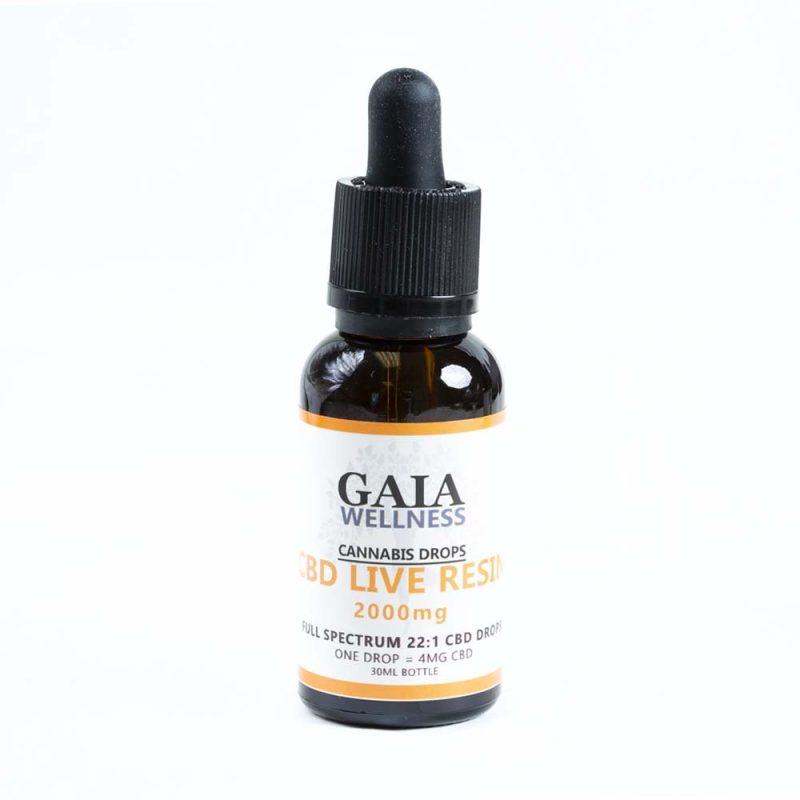
Two bottles from the same maker, near identical packaging, one small number different on the label. People buy the wrong one constantly. That number is the CBD to THC ratio, and it changes the character of the product more than anything else printed on it, including the brand and the milligram figure.
What this guide covers: THC Ratios Explained
- What a ratio actually is
- The mistake people make
- How to read one
- Common ratios and what they mean
- Ratio is not strength
- Choosing a ratio
- If you want no THC at all
- Spectrum is a third thing again
- Ratios across formats
- What to expect when you change ratio
- Keeping track of what worked
- The regulated pathway
- Why this article makes no claims about effects
- Questions people ask
What a ratio actually is
A ratio expresses the proportion of CBD to THC in a product. It is written CBD first, THC second, so 20:1 means twenty parts CBD for every one part THC.
The two are different compounds rather than different strengths of the same thing. THC produces the intoxicating effect people associate with cannabis. CBD does not do so in the same way. A product containing both behaves according to how those proportions fall.
That is why the ratio, not the brand and not the total milligrams, is the number that defines what kind of product you are holding.
The mistake people make
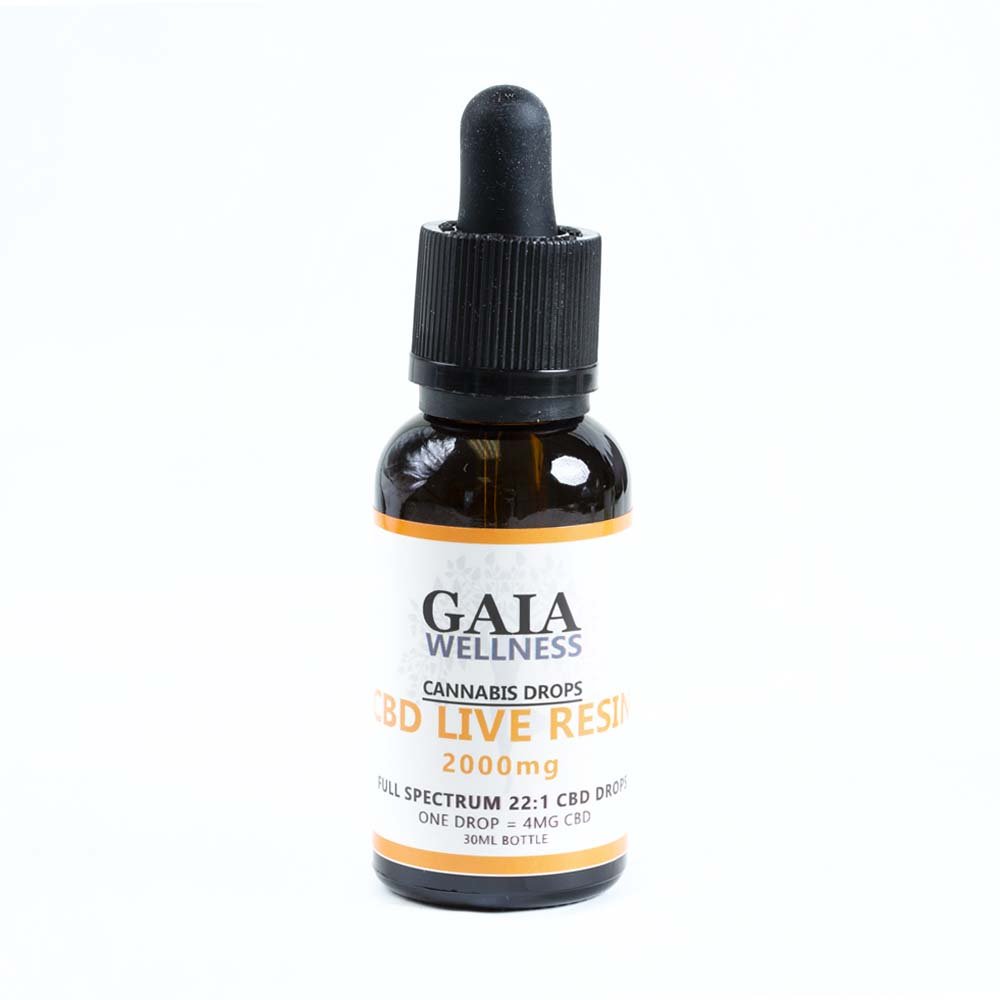
Makers commonly sell several ratios of the same product line under near identical packaging, differing only in a small printed number.
Somebody buys a 20:1 tincture, gets on with it, reorders the same brand months later and receives a 1:1. Same maker, same bottle design, entirely different experience. They conclude the product changed or that something is wrong with the batch.
Nothing changed. They bought a different product that happened to look almost identical. Read the ratio before the brand name, every time. It takes a second and it prevents the single most common ordering error in this category.
How to read one
The first number is CBD, the second is THC. Larger first number means more CBD relative to THC.
Some products state it as a phrase rather than a ratio, such as CBD dominant or balanced. Those are less precise but describe the same idea. Where both appear, the numbers are the more useful version.
A product listing only one compound contains only that compound in any meaningful quantity, though checking is worthwhile if the absence of THC matters to you specifically.
Common ratios and what they mean
| Ratio | Character | THC present | Typically chosen for |
|---|---|---|---|
| 22:1 or 20:1 | CBD dominant | Trace | Minimal intoxicating effect |
| 10:1 | CBD forward | Low | Mostly CBD with some THC present |
| 3:1 | CBD leaning | Moderate | Noticeable but not dominant |
| 1:1 | Balanced | Equal | Both compounds together |
| THC dominant | THC led | High | Primarily THC effect |
The jump that surprises people most is between 3:1 and 1:1. It sounds like a small step on paper and is a substantial change in practice.
Ratio is not strength
This trips up almost everyone at some point, so it is worth stating plainly.
A ratio describes proportion. It says nothing about how much of either compound is present in total. A 1:1 product could be strong or mild depending entirely on the milligram figure, and two products at the same ratio can be very different in strength.
You need both numbers. The ratio tells you what kind of product it is. The milligram figure, converted to a per unit amount, tells you how much you are taking. Reading one without the other will mislead you.
The guide to reading labels covers the milligram side in detail.
Choosing a ratio
If you want minimal intoxicating effect, look at the CBD dominant end, 20:1 or similar, and check whether the product contains any THC at all rather than assuming.
If you want both compounds working together, balanced ratios are the usual starting point, and they behave noticeably differently from CBD dominant products.
If you are unsure, start further towards the CBD dominant end than you think you need. Moving towards more THC later is easy. Discovering you took something considerably more intoxicating than intended is the situation worth avoiding, particularly with a slow onset format.
Whatever you choose, buy one before several and write down which ratio it was. That single note prevents the reordering mistake described above.
If you want no THC at all
Then a ratio is the wrong thing to be reading. A ratio means both compounds are present.
What you want is a product that states it contains CBD only, and if that matters for a specific reason, check the product page and the packaging rather than inferring from a high ratio. A 22:1 product contains a trace of THC. That is a small amount, but it is not zero, and if zero is what you need then near zero is not the same thing.
Browse CBD gummies or the wider tinctures range.
Spectrum is a third thing again
Labels frequently carry a ratio and a spectrum description, and people conflate them.
Full spectrum retains the broadest range of plant compounds. Broad spectrum keeps much of that range with certain compounds removed. Isolate is a single compound separated from everything else.
Those terms describe processing, not proportion and not strength. A full spectrum product is not automatically stronger than an isolate, and it is not automatically higher in THC either, though full spectrum products do typically retain trace amounts of other compounds.
So a label can carry three independent facts: the ratio, the total milligrams, and the spectrum. Each answers a different question and none substitutes for another.
Ratios across formats
Ratios appear on tinctures, oils, gummies and some vape products, and the format changes how much control you have over the result.
On a tincture, a dropper lets you adjust the amount finely while the ratio stays fixed, which makes it the most controllable way to work with a ratio you are unfamiliar with.
On a gummy, the ratio is fixed and so is the portion, so your only lever is how many pieces, and cutting one is approximate.
This is why people who find a ratio unpredictable are often better served by switching format than by switching ratio. The ratio may have been fine and the dose control was the problem.
What to expect when you change ratio
Moving between ratios is not like adjusting a dose, and treating it as one is where people get caught out.
Increasing the amount of a product you already know produces more of the same thing. Changing the ratio produces a qualitatively different experience, because you are changing the proportion of two compounds that behave differently rather than taking more of one.
The practical implication is that you should reset your quantity when you change ratio. Whatever amount suited you at 20:1 is not a safe starting point at 1:1, because the second product carries considerably more THC at the same total milligrams. People routinely carry a familiar dose across and are surprised.
Treat a new ratio as a new product. Start at a small amount, hold it steady across a few separate occasions, and adjust from there. That is the same method that works for anything unfamiliar, and it applies here even when the brand, the bottle and the milligram figure are all identical to something you have used for months.
Changing one thing at a time matters too. Changing ratio and format and quantity simultaneously tells you nothing about which change produced the result.
Keeping track of what worked
Given how easy it is to reorder the wrong ratio, a short note is worth more in this category than almost any other.
Record four things: the maker, the ratio, the per unit strength, and what it was actually like. The ratio is the one people forget and the one that causes the reordering mistake, because it is the least visually distinctive thing on the packaging.
A photograph of the label works as well as writing it down and takes a second. When you come to reorder, you are matching against the actual product rather than a memory of a bottle that looks like several other bottles.
Two or three entries in, you will also start to see whether your preference is really about the ratio or about the format. Plenty of people conclude a ratio does not suit them when the actual problem was dose control on a fixed size product, which switching to a dropper solves without changing the ratio at all.
That distinction is genuinely useful and it is invisible without a record.
The regulated pathway
Australia has a regulated route for cannabis based products used for medical purposes, administered by the Therapeutic Goods Administration and accessed through a doctor.
That pathway is entirely separate from a retail purchase, and it exists because medical use should involve someone who can assess your circumstances, check interactions and follow up. If your interest in ratios is medical rather than general, that route is the appropriate one.
The TGA medicinal cannabis hub explains how it works and what is actually approved. healthdirect Australia covers the health side. Nothing here is medical advice, and nothing sold at retail is offered as a treatment for any condition, per the disclaimer.
Speak to a doctor or pharmacist before using anything in this category if you take prescription medication, since interactions are real and a pharmacist can check them in minutes.
Why this article makes no claims about effects
You will have noticed this piece explains what a ratio is without telling you what any particular ratio will do for you. That is deliberate and worth explaining rather than leaving as an odd gap.
Telling you that a product will treat, relieve or improve something is a therapeutic claim. Australia restricts those claims tightly, and for good reason: the commercial incentive to make them is enormous and the evidence behind most of what gets claimed online is not.
A retailer is in a position to tell you what a product contains, in what proportion, at what strength and in what form. It is not in a position to tell you what will happen inside your body, because that depends on you and nobody selling you something has examined you.
That is not a legal hedge, it is the honest limit of what a shop knows. Anyone who confidently tells you which ratio is right for your circumstances is either guessing or selling, and frequently both.
Where the question is genuinely medical, Australia has a regulated pathway through a doctor precisely so that someone qualified can assess your circumstances, check interactions and follow up. The TGA medicinal cannabis hub sets out how it works, and the Alcohol and Drug Foundation publishes independent information on effects and risks without selling anything.
What this article can do is make sure that whatever you decide to buy, you understand what is actually in it. That much is a retailer job and it is done properly here.
Questions people ask
What does 20:1 mean?
Twenty parts CBD to one part THC, so CBD dominant with only a trace of THC. The first number is always CBD.
Why did the same brand feel completely different?
Almost certainly a different ratio. Makers sell several ratios under near identical packaging, so read the ratio before the brand name.
Does a higher ratio mean stronger?
No. A ratio describes proportion, not quantity. Strength is the milligram figure, which is a separate number.
Does a 22:1 product contain THC?
Yes, a trace. If you need zero THC, near zero is not the same thing, so look for a product stating CBD only and check the packaging.
Which ratio should I start with?
Further towards the CBD dominant end than you think you need. Moving towards more THC later is easy, discovering you took something stronger than intended is not.
Is full spectrum the same as a high ratio?
No, they are independent. Spectrum describes processing, ratio describes proportion, milligrams describe strength. A label can carry all three.
I find ratios unpredictable. What should I do?
Consider whether dose control rather than the ratio is the problem. A dropper lets you adjust finely where a fixed size gummy does not.
Browse CBD and THC tinctures or read the FAQ.
If thc ratios explained is new to you, start small, read the packaging, and ask before assuming.
Anything on thc ratios explained that is not covered here is worth an email, and we answer properly rather than with a template.
That covers thc ratios explained in practical terms. If your situation is unusual, ask us and we will give you a straight answer.
People researching thc ratios explained usually want specifics rather than reassurance, so that is what this page gives.
Most questions about thc ratios explained come down to stock, timing and price, and all three are answered above.
Everything stated here about thc ratios explained reflects what we actually hold rather than what we could order in.
People researching thc ratios explained usually want specifics rather than reassurance, so that is what this page gives.
If you have compared thc ratios explained elsewhere and something here differs, ask us and we will explain why.
Anything on thc ratios explained that is not covered here is worth an email, and we answer properly rather than with a template.
That covers thc ratios explained in practical terms. If your situation is unusual, ask us and we will give you a straight answer.
Still weighing up thc ratios explained? Get in touch and we will help you decide before you spend anything.
If thc ratios explained is new to you, start small, read the packaging, and ask before assuming.
Everything stated here about thc ratios explained reflects what we actually hold rather than what we could order in.
The practical side of thc ratios explained matters more than the marketing, which is why this page leads with detail.
Everything stated here about thc ratios explained reflects what we actually hold rather than what we could order in.
The practical side of thc ratios explained matters more than the marketing, which is why this page leads with detail.
The practical side of thc ratios explained matters more than the marketing, which is why this page leads with detail.
Everything stated here about thc ratios explained reflects what we actually hold rather than what we could order in.
Most questions about thc ratios explained come down to stock, timing and price, and all three are answered above.
For thc ratios explained we would rather set expectations accurately than promise something we cannot deliver.
If anything about thc ratios explained is still unclear, contact us before ordering rather than after. We would rather answer a question than process a return.
We keep this thc ratios explained page current because outdated information helps nobody.
Our position on thc ratios explained is simple: publish what is true, hold what we list, and ship it quickly.
Questions about thc ratios explained are welcome at any point. Our team answers specification queries directly and quickly.
Most questions about thc ratios explained come down to stock, timing and price, and all three are answered above.
Questions about thc ratios explained are welcome at any point. Our team answers specification queries directly and quickly.
For thc ratios explained we would rather set expectations accurately than promise something we cannot deliver.
Most questions about thc ratios explained come down to stock, timing and price, and all three are answered above.
