

Buying Guides, Edibles and Oils
How to Read THC and CBD Labels in Australia
May
This guide to read thc cbd labels covers the practical questions people ask most before placing an order.
Almost every bad experience with THC or CBD in Australia starts with one arithmetic mistake. Somebody reads the big number on the front of a packet and takes it to mean something it does not. This guide shows you exactly how to read a label so that never happens to you, whichever format you buy.
What this guide covers: Read THC CBD Labels
- The pack total trap
- Finding the per unit figure
- Three worked examples
- Reading a CBD to THC ratio
- Working out a per drop dose
- Percentages on flower
- How each format states strength
- Full spectrum, broad spectrum and isolate
- Which numbers are estimates
- When the packaging disagrees with the website
- Batch testing and what it proves
- Five label mistakes that cost money
- A thirty second checklist
- Questions people ask
The pack total trap
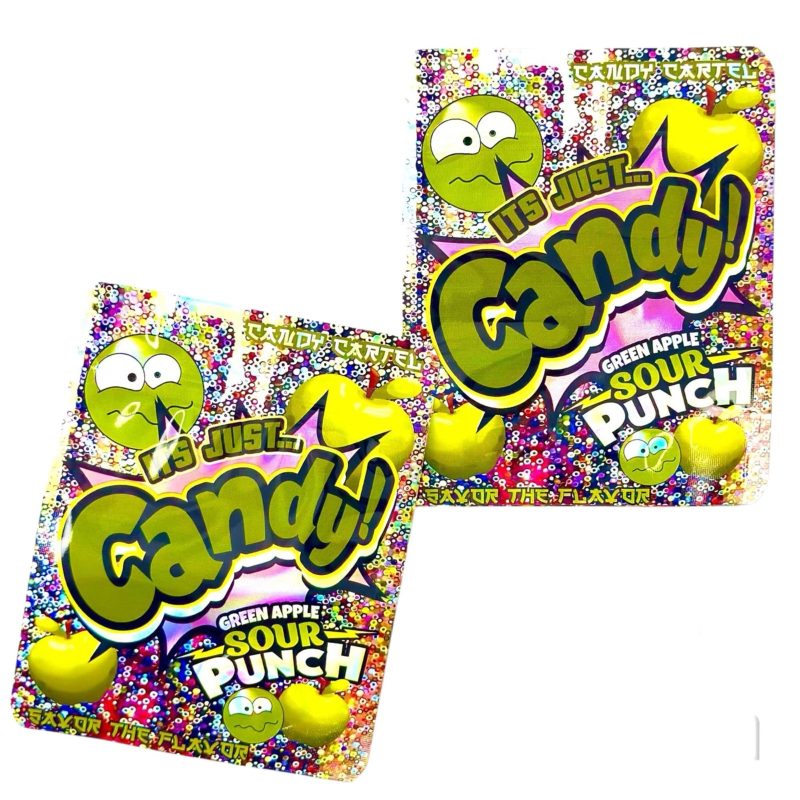
The single most common error is treating the headline milligram figure as a dose. It almost never is. On most packaged products that number describes the entire package, not what you are about to consume.
Consider two products both advertised at 1000mg. One contains ten pieces. The other contains one hundred. The first is a hundred milligrams per piece. The second is ten. Same number on the front, ten times the difference in what actually reaches you.
That is not a trick by manufacturers. Stating the total is a reasonable way to describe what is in a package. The mistake is on the reading side, and it is entirely avoidable once you know to look for it.
Finding the per unit figure
The number you actually need is the amount per piece, per drop or per serving. Good listings state it directly. Where they do not, you can work it out in seconds.
Divide the total by the count. A 500mg pack of twenty pieces is twenty five milligrams each. A 300mg pack of thirty is ten.
Do this before comparing anything. Comparing pack totals across products with different counts compares nothing at all, and it is the reason people conclude one product is stronger or better value when the opposite is true.
Three worked examples
Example one. Product A is 1000mg with ten gummies. Product B is 750mg with thirty gummies. A looks stronger from the front. Per gummy, A is one hundred milligrams and B is twenty five. A is four times the strength per piece, not one and a third.
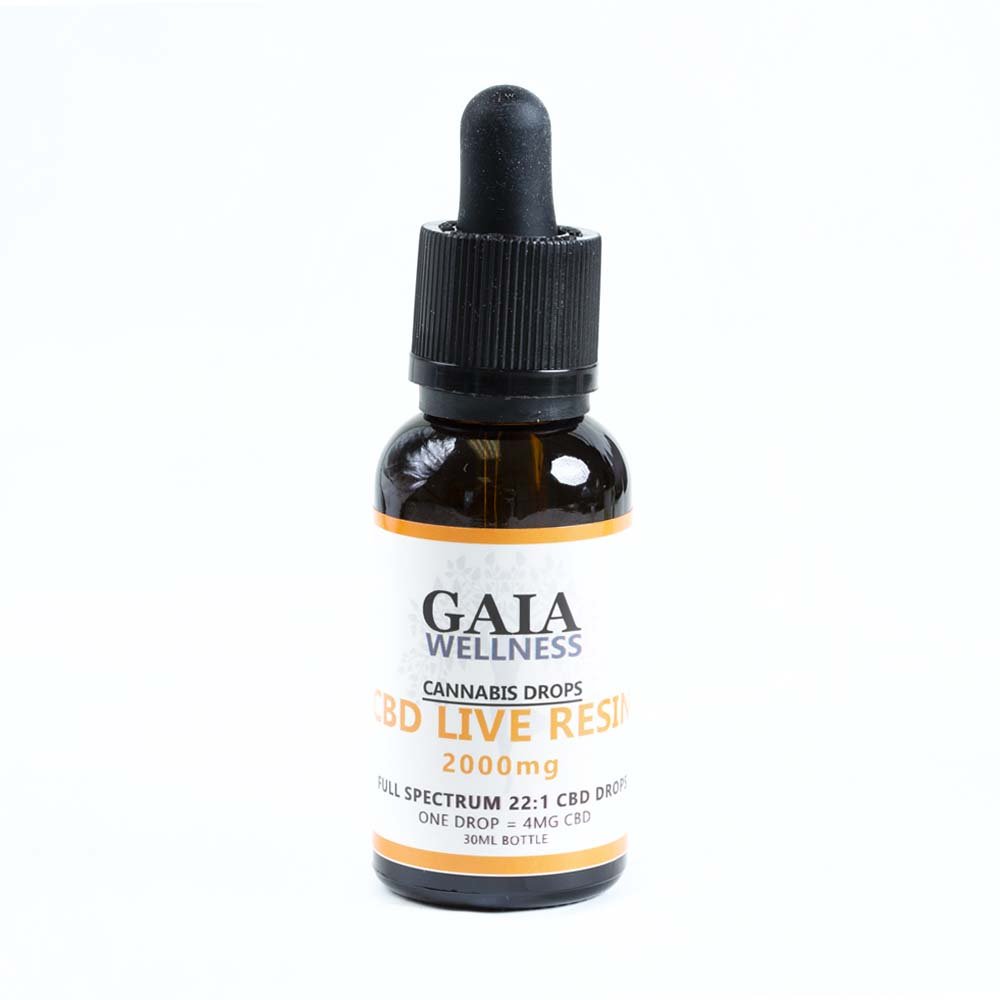
Example two. A bottle states 2000mg and says four milligrams per drop. Despite the large headline figure, a few drops is a small amount. This is a gentle product used sensibly, and someone who assumed the 2000 described a dose would be badly wrong in the other direction.
Example three. A chocolate bar states 500mg across twenty squares. That is twenty five milligrams a square, provided the material was mixed evenly during manufacture. That proviso matters, and it is covered further down.
Reading a CBD to THC ratio
On any product containing both compounds, the ratio tells you the character of the product and it matters more than the brand name.
A 22:1 product carries twenty two parts CBD for every one part THC. It is CBD dominant with a trace of THC. A 1:1 carries equal parts and behaves very differently. A THC dominant product inverts the relationship again.
The trap is that a single maker frequently sells several ratios under near identical packaging, differing only in a small number. Ordering the right brand and the wrong ratio is one of the most common mistakes there is. Read the ratio before the brand name, every time.
You can browse by ratio in CBD and THC tinctures.
Working out a per drop dose
On a dropper bottle, two numbers describe the product and neither is a dose on its own.
Total milligrams is what is in the bottle. Volume in millilitres is what it is spread through. Dividing gives concentration per millilitre.
The per drop figure depends on the dropper, and manufacturers who state drops per bottle make this easy. Where they do not, the per millilitre figure still lets you compare two bottles properly, which the totals alone never will.
This is why oils and tinctures are the most controllable format sold. You can adjust by a single drop, which no fixed size product allows.
Percentages on flower
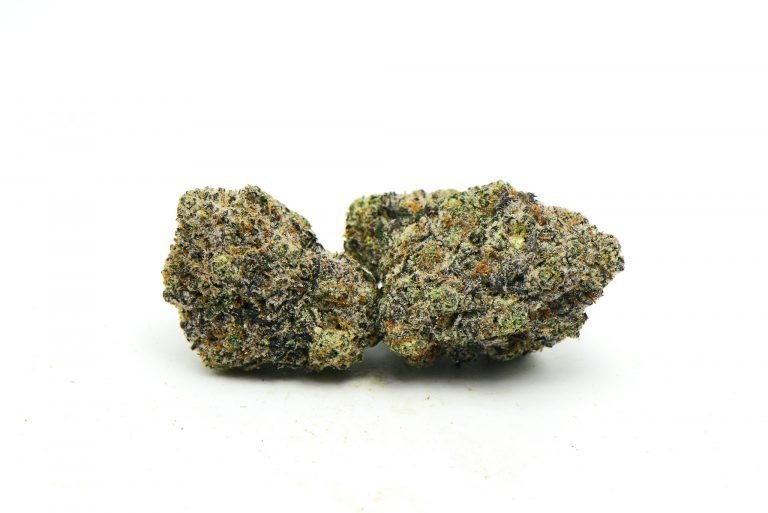
Flower is stated differently again, usually as a THC percentage rather than a milligram figure, and higher is not automatically better.
Beyond a point, a stronger strain means you use less per session rather than that you enjoy it more. The ceiling is set by how much you consume. For a newer smoker, a very high percentage narrows the margin for misjudging a quantity, which makes an uncomfortable session more likely rather than a better one.
What a high percentage genuinely buys is efficiency. For someone going through a meaningful amount, stronger flower stretches further and can work out cheaper per session despite a higher price per gram. Browse weed strains.
How each format states strength
| Format | Usually stated as | The number you need | How to get it |
|---|---|---|---|
| Gummies and edibles | Pack total in mg | Per piece | Total divided by count |
| Tinctures and oils | Bottle total in mg | Per drop | Stated, or total divided by volume |
| Flower | THC percentage | The percentage | Stated directly |
| Vape devices | Puff count and mg | Neither is a dose | Judge draw by draw |
| Concentrates | Percentage or mg | Amount used | Start very small |
Full spectrum, broad spectrum and isolate
These three terms appear constantly and describe processing rather than strength, which trips people up.
Full spectrum keeps the broadest range of plant compounds and carries the strongest natural flavour. Broad spectrum keeps much of that range with certain compounds removed. Isolate is a single compound separated from everything else, most neutral in taste.
A full spectrum product is not automatically stronger than an isolate. Strength is the milligram figure, which is a separate number on the same label. Reading spectrum as a potency grade is a genuine and common misunderstanding.
Which numbers are estimates
Not every figure on a package is a measurement, and knowing which is which changes how much weight to give it.
Puff counts are estimates. They come from short, consistent draws under standardised test conditions, and real use pulls more liquid per puff, so actual totals come in lower. Useful for ranking devices against each other, never a promise.
Milligram figures are manufacturer claims unless testing documentation is published for that batch. Most established makers have every reason to be accurate, but a claim and a measurement are different things.
Even distribution is an assumption. On a divided bar, a square is only a reliable fraction if the material was mixed evenly during manufacture, which you cannot verify by looking. Individually made pieces are inherently more reliable than a divided mass.
When the packaging disagrees with the website
Follow the packaging. Manufacturers change formulations and labelling, sometimes without notice, and the physical item in your hand is the more current source than any description written earlier.
If the difference is significant rather than cosmetic, it is worth raising with whoever you bought from.
Batch testing and what it proves
The strongest evidence behind a number on a label is testing documentation for that specific batch, and it is worth knowing what such a document does and does not establish.
What it can show is the cannabinoid content of a sample taken from that batch, and often the absence of certain contaminants. That is meaningfully better than an unsupported figure on a box, and it is reasonable to prefer products where it exists.
What it does not automatically show is that the document corresponds to the item in your hand. A certificate from a batch tested years earlier tells you little about current stock. Nor does a document confirming the absence of contaminants say anything about potency, which is a separate test. Reading which questions a document actually answers is more useful than the reassurance of it existing at all.
Where no documentation exists, the figure is a manufacturer claim. That is not automatically false, and established makers have every commercial reason to be accurate, but the distinction between a claim and a measurement is worth holding onto.
In Australia, the Therapeutic Goods Administration is the authority on what has actually been assessed and approved, which is a much higher bar than any retail labelling.
Five label mistakes that cost money
Comparing pack totals. Two products at 1000mg with different piece counts are not comparable. This is the most expensive mistake because it drives purchases in both directions, towards products far stronger than intended and towards products that turn out disappointingly weak.
Reading spectrum as potency. Full spectrum is not a strength grade. It describes how much plant material survived processing. Paying more for full spectrum expecting more strength is paying for flavour and character instead.
Trusting a puff count as a promise. It is a standardised test figure that does not match how anyone actually vapes. Choosing a device purely on that number, without considering how you draw, produces predictable disappointment.
Ignoring the ratio. Buying the right brand and the wrong CBD to THC ratio produces a product that behaves nothing like the one you intended, and the packaging often looks nearly identical.
Assuming a fraction of a bar is precise. A square is a reliable share only if the material was mixed evenly, and a bar that melted and reset has lost whatever evenness it had.
Every one of these takes seconds to avoid and none of them requires any expertise beyond dividing one number by another.
A thirty second checklist
Before you buy anything, run these four questions.
One. Does this number describe the package or one unit? Divide if needed.
Two. If it contains both CBD and THC, what is the ratio? Read it before the brand name.
Three. Is any figure here an estimate rather than a measurement? Puff counts always are.
Four. Am I comparing like with like? Two totals from products with different counts are not comparable.
That takes half a minute and prevents the large majority of disappointing purchases.
Questions people ask
Does the big number on the front tell me the dose?
Almost never. On most packaged products it describes the entire package. Divide by the piece count to get what you actually consume.
What does a ratio like 22:1 mean?
Twenty two parts CBD to one part THC, so CBD dominant with a trace of THC. Makers sell several ratios in near identical packaging, so read the ratio before the brand.
Is a higher THC percentage better?
No. It means you use less per session. For a newer smoker it narrows the margin for misjudging a quantity rather than improving anything.
Is full spectrum stronger than isolate?
Not necessarily. Those terms describe how much plant material survived processing, not potency. Strength is the milligram figure, a separate number on the same label.
Can I trust a puff count?
As a comparison between devices, yes. As a promise, no. It comes from short standardised test draws and real use consumes more liquid per puff.
Is one square of a bar a reliable dose?
Only if the material was mixed evenly during manufacture, which you cannot verify. Treat a fraction of a bar as an estimate rather than a measurement.
The packaging says something different to the website
Follow the packaging. Formulations and labelling change, and the item in your hand is the more current source.
Related reading: the full FAQ, the buying guide, and the disclaimer on how manufacturer figures are treated. Nothing here is medical advice. For health questions, healthdirect Australia, and for independent information on effects the Alcohol and Drug Foundation.
Still weighing up read thc cbd labels? Get in touch and we will help you decide before you spend anything.
If read thc cbd labels is new to you, start small, read the packaging, and ask before assuming.
Anything on read thc cbd labels that is not covered here is worth an email, and we answer properly rather than with a template.
That covers read thc cbd labels in practical terms. If your situation is unusual, ask us and we will give you a straight answer.
People researching read thc cbd labels usually want specifics rather than reassurance, so that is what this page gives.
If you have compared read thc cbd labels elsewhere and something here differs, ask us and we will explain why.
If read thc cbd labels is new to you, start small, read the packaging, and ask before assuming.
Anything on read thc cbd labels that is not covered here is worth an email, and we answer properly rather than with a template.
The practical side of read thc cbd labels matters more than the marketing, which is why this page leads with detail.
Still weighing up read thc cbd labels? Get in touch and we will help you decide before you spend anything.
Most questions about read thc cbd labels come down to stock, timing and price, and all three are answered above.
Everything stated here about read thc cbd labels reflects what we actually hold rather than what we could order in.
If anything about read thc cbd labels is still unclear, contact us before ordering rather than after. We would rather answer a question than process a return.
For read thc cbd labels we would rather set expectations accurately than promise something we cannot deliver.
Our position on read thc cbd labels is simple: publish what is true, hold what we list, and ship it quickly.
We keep this read thc cbd labels page current because outdated information helps nobody.
People researching read thc cbd labels usually want specifics rather than reassurance, so that is what this page gives.
That covers read thc cbd labels in practical terms. If your situation is unusual, ask us and we will give you a straight answer.
Questions about read thc cbd labels are welcome at any point. Our team answers specification queries directly and quickly.
If you have compared read thc cbd labels elsewhere and something here differs, ask us and we will explain why.
Still weighing up read thc cbd labels? Get in touch and we will help you decide before you spend anything.
The practical side of read thc cbd labels matters more than the marketing, which is why this page leads with detail.
Anything on read thc cbd labels that is not covered here is worth an email, and we answer properly rather than with a template.
If read thc cbd labels is new to you, start small, read the packaging, and ask before assuming.
For read thc cbd labels we would rather set expectations accurately than promise something we cannot deliver.
If anything about read thc cbd labels is still unclear, contact us before ordering rather than after. We would rather answer a question than process a return.
The practical side of read thc cbd labels matters more than the marketing, which is why this page leads with detail.
