

Discover 19 sativa strains in Australia prized for bright, energising effects, with honest guidance on quantity and fast discreet delivery Australia wide.
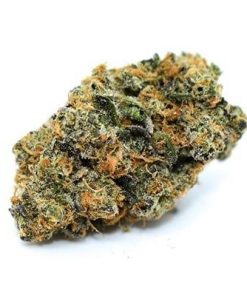
Sativa Strains Australia
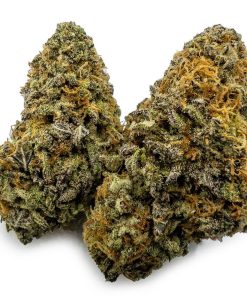
Sativa Strains Australia
Sativa Strains Australia
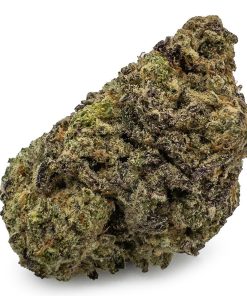
Sativa Strains Australia
Sativa Strains Australia
Sativa Strains Australia
Sativa Strains Australia
Sativa Strains Australia
Sativa Strains Australia
Sativa Strains Australia
Sativa Strains Australia
Sativa Strains Australia
Sativa strains in Australia
This category holds 19 sativa strains, priced in Australian dollars and delivered discreetly Australia wide. It is the smallest of the three strain categories here, and that is not an accident of stocking, it reflects the wider market.
Sativa is also the category where expectations most often miss, because the word promises something specific and the reality is more conditional. This page explains why, and how to get what you actually want from it.
On this page
- What sativa means
- Why there are fewer sativa strains
- What the label actually predicts
- Sativa against the other types
- The daytime reputation, and its limits
- The honest caveat
- Why quantity matters more here
- Aroma as a better guide
- Choosing a sativa
- Other formats
- Storing flower in Australia
- Landrace strains and where the names come from
- Setting matters more than you expect
- Delivery and packaging
- The law in Australia
- Sativa questions answered
What sativa means
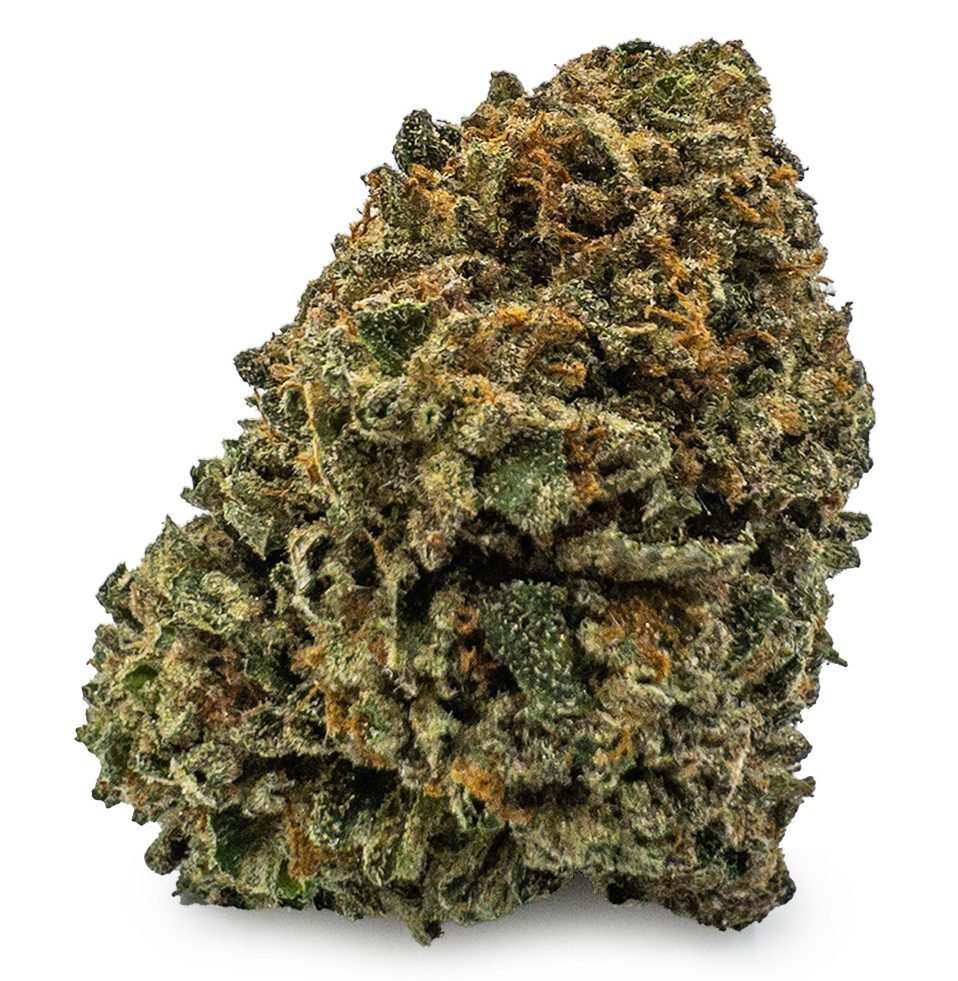
Sativa is conventionally associated with a brighter, more mentally active experience, and is framed as the daytime counterpart to indica.
Like its opposite number, the term originally described plant morphology rather than effect. Sativa plants were described as tall and narrow leafed, indica plants as short and broad leafed. Those were botanical descriptions of growth habit, and neither had anything to do with how a person feels.
The mapping onto effect came later, through convention and retail, and it persists because it is convenient and roughly correlated often enough to feel reliable.
Why there are fewer sativa strains
19 here against 48 indica and 74 hybrid is a real imbalance and it is worth explaining rather than leaving as an apparent gap in stock.
Two things drive it. First, genuinely sativa dominant genetics are less common in commercial supply than they once were, because decades of breeding for yield, growth time and resilience have tended to favour crosses rather than preserving pure lines. Second, plants at the sativa end of the spectrum are generally harder and slower to grow, which makes them less attractive to produce at scale.
The practical result is that a great deal of what people want from sativa is actually delivered by sativa leaning hybrids, which is where you should look if this category does not have what you are after. That is not a substitute or a compromise, it is where most of the market genuinely sits.
What the label actually predicts
Less than the tab implies. What actually drives the experience is the chemistry of the specific plant, meaning its cannabinoid content and terpene profile.
Two strains both sold as sativa can carry quite different profiles and feel noticeably different. So use the category to narrow the field, then treat the individual strain as the unit that matters, and write down the ones that work. That habit beats every filter on this site.
Sativa against the other types
| Sativa | Indica | Hybrid | |
|---|---|---|---|
| Conventional feel | Bright, active | Physical, settling | Between |
| Usually chosen for | Daytime | Evening | Either |
| Products stocked | 19 | 48 | 74 |
| Commercial availability | Least common | Common | Most common |
| Sensitivity to quantity | Highest | Moderate | Varies |
Browse indica strains, hybrid strains or the full weed strains range.
The daytime reputation, and its limits
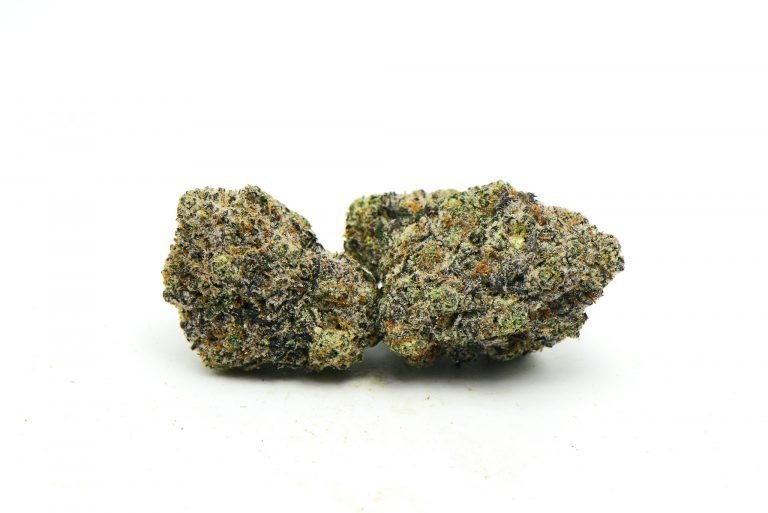
The association with daytime use is not baseless. Strains marketed as sativa have tended to be selected for the qualities the reputation describes, which makes it partly self fulfilling in a useful way.
But daytime does not mean consequence free, and this is where people get caught out. A brighter, more mentally active experience is still an altered one. It is not a coffee substitute, it does not make you sharper, and it is not compatible with driving, operating machinery, or anything requiring reliable judgement.
Detection windows in states running roadside drug testing extend well past the period in which anyone would describe themselves as affected, which the Melbourne page covers in more detail. Daytime use and driving are not compatible regardless of how normal you feel.
The honest caveat
This section is here because leaving it out would make this page less useful.
The more stimulating end of the spectrum is also the end more commonly associated with uncomfortable experiences, particularly for people prone to anxiety and particularly at higher quantities. If a previous experience with cannabis left you feeling wound up or uneasy rather than relaxed, a strongly sativa leaning strain is the least likely thing to fix that and may well repeat it.
In that situation an indica leaning option, a smaller quantity, or a product with a meaningful CBD component such as a balanced tincture is a more sensible direction than persisting with the same category and hoping for a different result.
None of this is medical advice and we cannot advise on your circumstances. The Alcohol and Drug Foundation publishes independent information on effects including the less pleasant ones, and healthdirect Australia covers the health side.
Why quantity matters more here
Quantity matters everywhere, but it is less forgiving in this category than in the others.
The gap between a pleasant amount and an uncomfortable one tends to be narrower with more stimulating strains. Overshooting an indica commonly produces something heavier than intended. Overshooting a strongly sativa leaning strain is more likely to produce restlessness or unease, which is a worse outcome and one that is harder to simply sit through.
So start smaller than you think you need, particularly with an unfamiliar strain, and add rather than starting high. This is also why pre rolls are useful here: a consistent portion removes the guesswork that causes most overshoots.
Aroma as a better guide
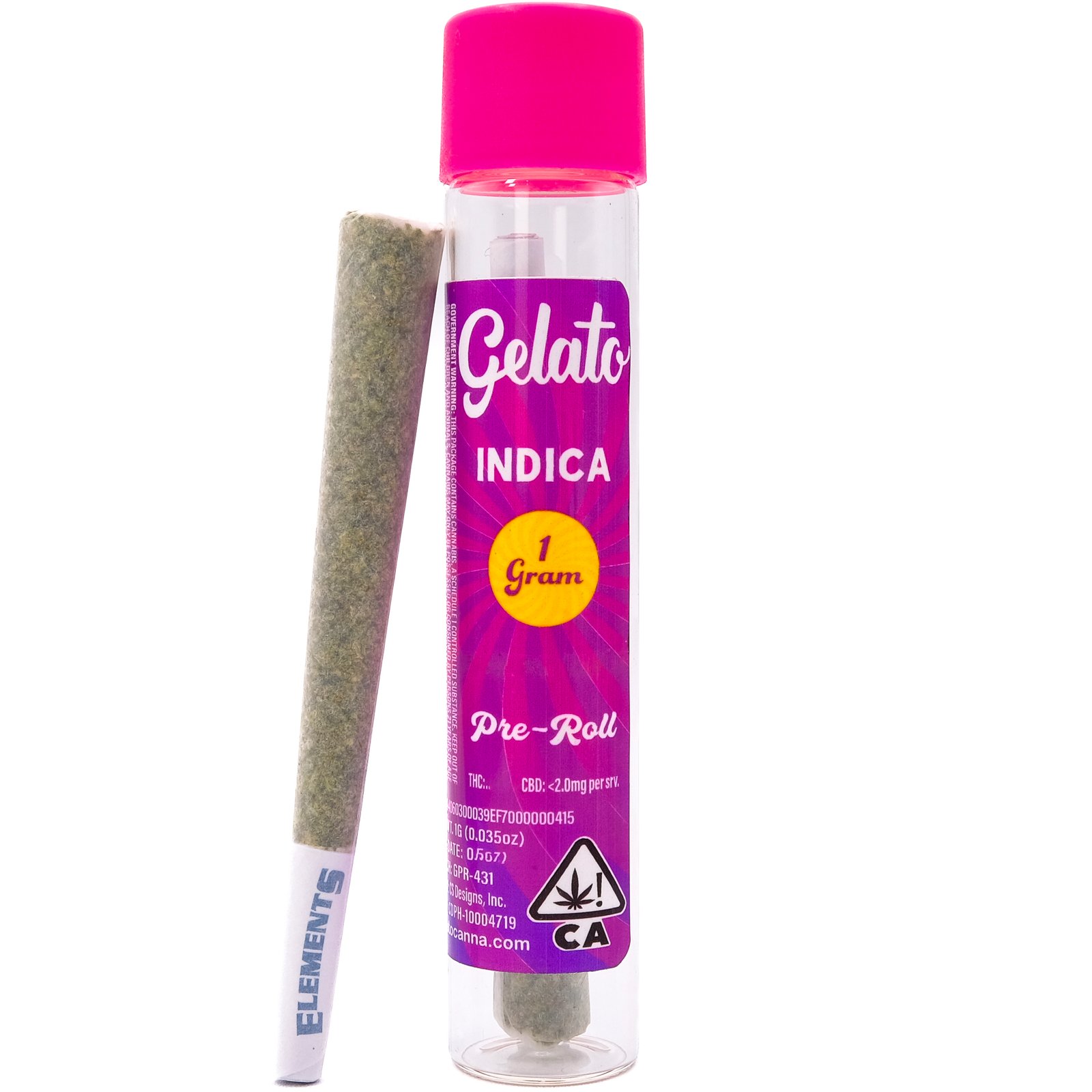
Once you have tried a few strains, aroma predicts your experience better than the category tab does.
Terpenes are the aromatic compounds behind why one strain smells of citrus, another of pine, another of diesel or sweet fruit. That smell is a real property of the plant in front of you, correlated with its chemistry, where a category label is a rough zone and a strain name is unregulated.
Sativa leaning strains often carry brighter citrus or sharper profiles, though there is no rule. Notice what a strain smells like when it works for you, and use that rather than the tab. It will carry you across strains that share no genetics at all.
Choosing a sativa
Pick one strain rather than several. Choose a mid range potency rather than the strongest available, which matters more here for the reasons above. Buy the smallest quantity offered. Use it in a comfortable setting with nothing you need to do afterwards. Then write down what it was and how it went.
If this category does not have what you want, look at sativa leaning hybrids, which is where most of the modern market genuinely sits.
Other formats
Pre rolls give a consistent portion and remove rolling technique as a variable. THC vape pens deliver the same compounds without combustion and allow very small increments, one short draw at a time, which suits cautious use well. Concentrates are substantially stronger and are not a sensible starting point in this category particularly.
Storing flower in Australia
Sealed, opaque, cool, dark and dry, in one stable location. Light and heat break down cannabinoids and terpenes together, costing potency and the aroma that led you to the strain.
Do not refrigerate, because condensation from temperature cycling invites mould. In humid Brisbane or Sydney the risk is mould, so ensure flower is dry before sealing. In dry Perth or Adelaide the risk is over drying, so a good seal keeps moisture in.
Keep everything locked away from children and animals, per the age verification policy.
Landrace strains and where the names come from
A term you will encounter in this category more than the others, and one worth understanding because it explains a lot of the naming.
A landrace is a population that developed in a particular region over a long period without deliberate crossbreeding, adapting to local conditions. Many carry the name of where they came from, which is why so many older sativa associated names are geographic rather than descriptive. Those regional names are the origin of a great deal of the naming convention that followed.
Their practical relevance today is limited but real. Almost nothing in commercial supply is an unaltered landrace, so a strain carrying such a name is far more likely to be a descendant many generations removed than the original population. That is not deception, it is how plant breeding works, and the same is true across every category.
Where it matters is expectation. Buying something with a storied regional name in the belief that it is the same plant that grew there decades ago is setting yourself up for disappointment. What you are buying is a modern cultivar carrying an inherited name, and it should be judged on what it actually is.
This connects to the wider point that strain naming is unregulated, which is covered on the hybrid strains page. Names describe a lineage loosely at best.
Setting matters more than you expect
With brighter strains particularly, where and how you use something shapes the experience considerably more than people anticipate.
The same strain, at the same quantity, can feel pleasant in a familiar relaxed setting and uncomfortable in a busy or unfamiliar one. That is not the product being inconsistent. Stimulating effects amplify whatever the surroundings already are, so a calm environment tends to produce a calm experience and a chaotic one does the opposite.
Practical implications. Try an unfamiliar strain somewhere you are comfortable rather than somewhere you feel observed. Do not try something new for the first time before a social occasion, which is when people most often want to and most often regret it. Leave yourself nothing you are obliged to do afterwards, because knowing you have a commitment is itself a source of unease that the experience will magnify.
If a strain went badly once, it is worth considering whether the setting contributed before writing the strain off entirely. Repeating it in better circumstances is a fairer test, at a smaller quantity.
Delivery and packaging
Orders ship to every state and territory in plain unmarked packaging with tracking on every dispatched order. See the shipping and delivery page.
The law in Australia
Cannabis law here is set federally and by each state and territory, differs by jurisdiction and has changed in recent years. We are a retailer, not a legal adviser. The Department of Health and Aged Care and the TGA publish the current position.
Strictly for adults, per the terms and conditions.
Sativa questions answered
How many sativa strains do you stock?
19 in this category, against 48 indica and 74 hybrid. Genuinely sativa dominant genetics are less common in commercial supply than they used to be.
Why are there so few compared with hybrids?
Decades of breeding for yield and resilience favoured crosses over pure lines, and plants at the sativa end are generally harder and slower to grow. Most of what people want from sativa now comes from sativa leaning hybrids.
Is sativa good for daytime?
It is conventionally the daytime option, but daytime does not mean consequence free. It is still an altered state, it will not make you sharper, and it is not compatible with driving.
Can sativa make you anxious?
The more stimulating end is more commonly associated with uncomfortable experiences, particularly at higher quantities and for people prone to anxiety. If a previous experience left you wound up, this is the least likely category to fix that.
How much should I take?
Less than you think, and add rather than starting high. The gap between a pleasant amount and an uncomfortable one is narrower here than with indica.
Why did two sativas feel completely different?
Because the category is a rough zone and the terpene profile of a specific strain predicts the experience far better than the label.
What if this category has nothing I want?
Look at sativa leaning hybrids, which is where most of the modern market sits. That is not a compromise, it is where the genetics actually are.
How should I store it?
Sealed, opaque, cool, dark and dry. Never refrigerate, because condensation invites mould.