

THC Vape Pens Australia
THC Vape Pens Australia
THC Vape Pens Australia
THC Vape Pens Australia
THC Vape Pens Australia

THC Vape Pens Australia
THC Vape Pens Australia
THC Vape Pens Australia
THC Vape Pens Australia
THC Vape Pens Australia
THC Vape Pens Australia


THC Vape Pens Australia
THC vape pens in Australia
This category holds 85 THC vape pens, covering disposables, rechargeable pens and prefilled cartridges. Everything is priced in Australian dollars and ships discreetly to every state and territory.
Vape hardware is the category where buyers most often order the wrong thing, not because the products are complicated but because three formats look similar in a photograph and behave completely differently in the hand. This page explains the differences, what a puff count is actually measuring, why devices fail early, and how to work out what a pen genuinely costs you per week.
On this page
- The three formats explained
- The battery mistake
- Format comparison
- What a puff count really means
- Why a device stops early
- What a pen costs per week
- Choosing your first pen
- Looking after a device
- Heat, cold and storage
- Comparing device ranges
- Choosing a flavour
- Delivery and packaging
- The rules in Australia
- THC vape pen questions answered
The three formats explained
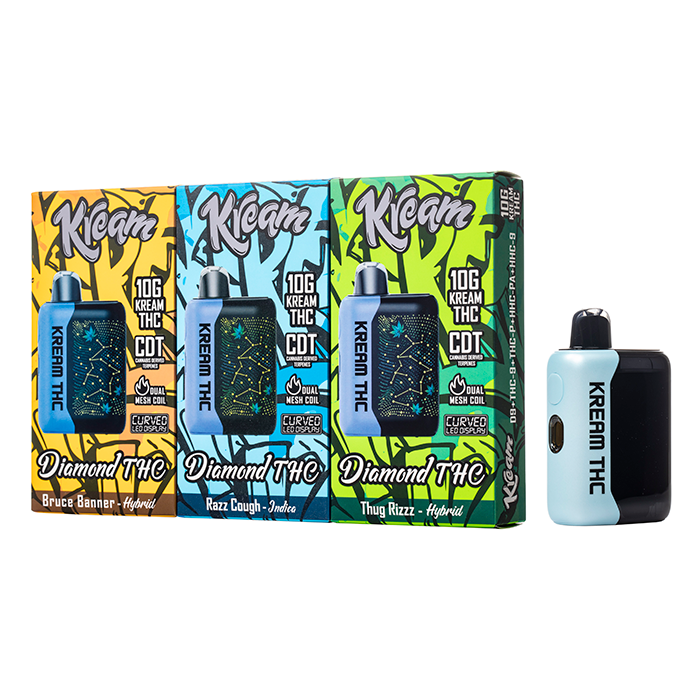
A disposable is a sealed unit with the battery and the liquid together. You use it until it is empty and then discard it. Nothing to charge on most models, nothing to refill, nothing to assemble. It is the simplest possible option and the most expensive per use.
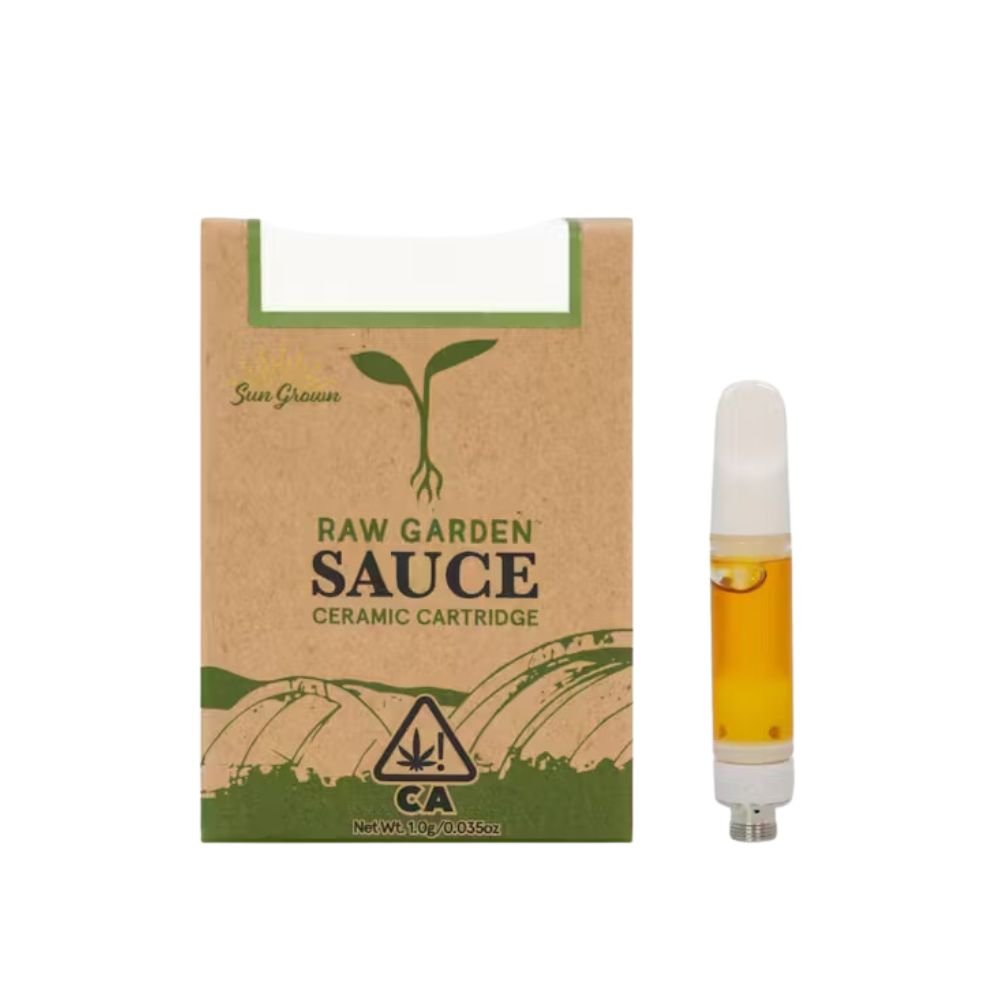
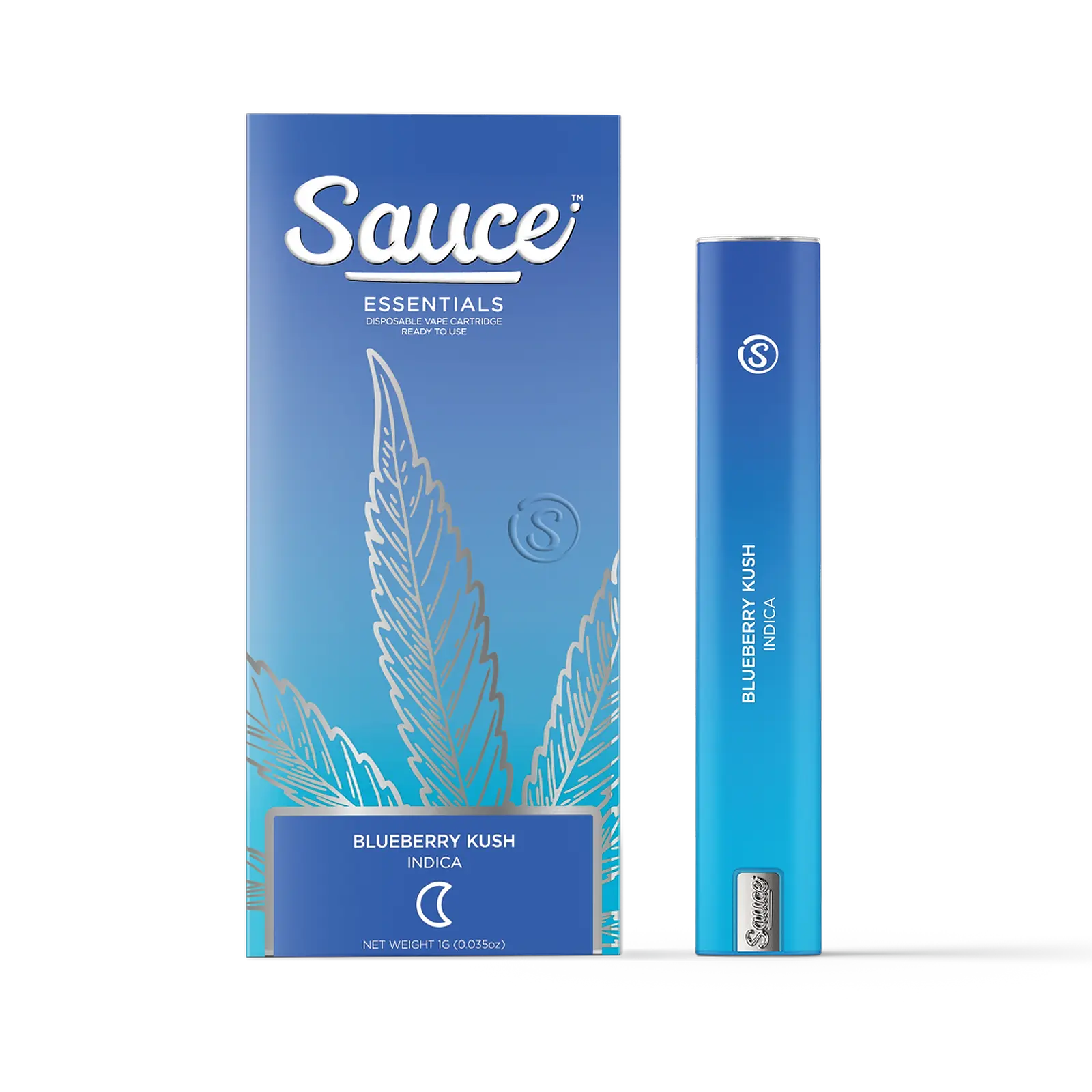
A cartridge, usually shortened to cart, is a prefilled tank that screws onto a separate battery you own and recharge. The battery is the durable part and the cart is the consumable. This is the cheapest format over time and the one that trips people up, for the reason in the next section.
A pen sits between the two. Typically rechargeable but not refillable, so it lasts longer than a basic disposable without requiring you to own separate hardware.
Related ranges sit in THC vapes, disposable vapes, reusable vapes and THC vape liquid for refills.
The battery mistake
This is the single most common avoidable error in this category, so it gets its own heading.
A cartridge is not a complete product. It is a tank of liquid with a threaded base, and without a battery to screw it onto it does absolutely nothing. Buyers see an attractive price on a cart, compare it against a disposable, order it, and then discover they have bought half a device.
Before ordering anything described as a cartridge or a cart, confirm you already own a compatible battery. If you do not, either buy a disposable, which needs nothing else, or buy the battery at the same time.
This is also why a cart looks so much cheaper than a disposable. You are comparing a refill against a complete unit.
Format comparison
| Disposable | Pen | Cartridge | |
|---|---|---|---|
| Needs a separate battery | No | No | Yes |
| Rechargeable | Usually not | Usually yes | Battery is |
| Refillable | No | No | Replaced, not refilled |
| Upfront cost | Low | Medium | Low for the cart |
| Cost over time | Highest | Medium | Lowest |
| Best for | Trying something | Regular use | Anyone with a battery |
What a puff count really means
Every device advertises a puff count and almost nobody explains what it measures.
The figure comes from short, consistent draws under standardised test conditions. Real use involves longer and harder draws, which pull more liquid per puff, so actual totals routinely come in below the printed number. That is not dishonesty, it is a standardised measurement that does not match how anyone actually vapes.
The number remains genuinely useful for ranking. A device rated at 16000 will outlast one rated at 9000 from a comparable manufacturer, even though neither will hit its printed total. Treat it as a comparison tool, never as a promise, which is how the disclaimer frames all manufacturer estimates.
Your own draw style is the largest variable. Two people can buy the identical device and get materially different lifespans from it, which is precisely why no single published figure could ever be accurate for everybody.
Why a device stops early
Most reported faults in this category are not faults, and knowing the difference saves everyone time.
The battery ran out before the liquid. On non rechargeable disposables this is normal behaviour for the format, not a defect. It is the most common reason a device stops short of its puff count. If you shake it and there is clearly liquid left, this is almost certainly what happened.
The device is cold. Battery performance drops in genuine cold, which reads as a weak or dead device. Let it reach room temperature before concluding anything.
The airway is blocked. Condensation or thickened liquid can restrict the draw, particularly after a device has been somewhere cold.
A genuine fault looks different: a device that never worked from first use, one that leaks, or one producing a burnt taste from the very first draw. Those we deal with. Send your order number and a description of what actually happens, per the returns policy.
What a pen costs per week
Comparing sticker prices between formats is the wrong comparison and it is why people overspend here.
Divide the price of a disposable by how long it lasts you and you have a weekly cost. Do the same for a rechargeable pen or a battery and cart setup, remembering that the hardware is a one off and only the consumable repeats. The first week of a refillable setup looks expensive and every week after that looks cheap.
For anyone vaping daily, the crossover point where refillable becomes cheaper arrives faster than expected. For occasional use, a disposable is genuinely the more sensible purchase and the convenience is worth the premium.
The third factor is buying quantity. Multi packs cost less per unit than repeat singles, but only once you are confident in a flavour, because a multi pack of something you dislike is the most expensive outcome available.
Choosing your first pen
Three questions settle it.
Do you already own a battery? If no, avoid cartridges entirely for now.
How often will you use it? Daily use favours rechargeable and refillable hardware on cost. Occasional use favours a disposable on convenience.
How long should it last between replacements? This is where the puff count is useful, with the caveats above.
Then buy one, not several. Flavour is personal and no description substitutes for trying it. Note what you liked, and buy that one again.
Looking after a device
Store it upright. A device left on its side for long periods is more likely to leak or flood the airway.
Draw gently rather than hard. Long forceful pulls consume more liquid per puff, overheat the coil, and are the most common cause of a burnt taste in a device that is otherwise fine.
Do not keep using a device that tastes burnt. That flavour means the coil is running dry or too hot, and continuing will not improve it.
Charge rechargeable devices with the correct cable and do not leave them charging unattended overnight.
Heat, cold and storage
Room temperature, out of direct sunlight, is the whole answer.
Never leave a device in a car. Interior temperatures in a parked car in an Australian summer routinely exceed sixty degrees, which stresses the battery, thins the liquid and causes leaks. This is the most common way devices are ruined in this country, and it is entirely avoidable. The Brisbane page covers heat in more detail.
Cold is less damaging but affects performance. A device that seems weak in winter is usually just cold.
Keep everything out of reach of children and animals, per the age verification policy.
Comparing device ranges
Several manufacturers sell a family of devices that share a flavour lineup across different capacities, and understanding that structure makes shopping considerably faster.
Rather than searching a flavour name and hoping, open the range page and see every flavour available in that device together. The ranges stocked here each have their own page: IGET Bar Pro 10000, IGET One 12000, Kuz Nova 16000, Kuz Ultra 9000, Alibarbar Ingot 9000 and Alibarbar Pro 10000.
The number in a range name is its rated puff count, so the comparison within a family is straightforward: the same manufacturer, broadly the same flavours, different capacity and price. If you liked a flavour in one capacity, the same flavour in a larger device is usually the safest repeat purchase you can make.
Flavour names do repeat across unrelated manufacturers, and two products called the same thing from different makers can taste quite different. Going through the range page rather than a search avoids that confusion entirely.
Choosing a flavour
Flavour is the most personal variable in this category and the one least served by other people opinions.
Broadly the lineups divide into fruit, mint and menthol, dessert and sweet, and tobacco leaning profiles. If you are switching from something else, the closest match to what you already enjoy is the lowest risk starting point rather than the most interesting sounding option on the page.
Mint and menthol profiles tend to read as stronger and cooler on the throat, which some people find smoother and others find harsh. Dessert and sweet profiles can become cloying over an entire device in a way they do not over a few draws, which is a genuine argument for buying one before committing to a multi pack.
The practical method is unchanged from everywhere else on this site. Buy one, use the whole device, then decide. A flavour that is pleasant for the first fifty draws and tiresome by the five hundredth is only revealed by finishing one, and that is information no description can give you.
Delivery and packaging
Orders ship Australia wide in plain outer packaging with nothing describing the contents, and every dispatched order carries a tracking reference. Full detail is on the shipping and delivery page, and the how to order page walks through checkout.
The rules in Australia
Australian rules on vaping and nicotine are set federally and by each state and territory, and have changed materially in recent years. We are a retailer, not a legal adviser. The TGA vaping hub and the Department of Health and Aged Care publish the current position, and the Alcohol and Drug Foundation covers effects and risks independently.
Everything here is strictly for adults. Knowing what applies to you before ordering is your responsibility under the terms and conditions.
THC vape pen questions answered
How many THC vape pens do you stock?
85 products in this category, covering disposables, rechargeable pens and prefilled cartridges, all delivered Australia wide.
Do I need a battery for a cartridge?
Yes. A cartridge is a tank that screws onto a battery you already own and does nothing without one. If you do not have a battery, buy a disposable instead, or buy the battery at the same time.
Will my device really deliver its puff count?
Almost certainly not. That figure comes from short standardised test draws and real use pulls more liquid per puff. Use it to rank devices against each other rather than as a promise.
My pen stopped with liquid still in it. Is it faulty?
Usually not. On non rechargeable devices the battery commonly runs down before the liquid does, which is normal for the format. A genuine fault is a device that never worked, leaks, or tastes burnt from the first draw.
Why does my device taste burnt?
The coil is running dry or too hot, most often from long forceful draws. Draw more gently, and stop using it once the burnt taste appears because it will not recover.
Is a disposable or a refillable cheaper?
Refillable is cheaper for daily use because you replace only the liquid. Disposables are better value for occasional use where convenience matters more than cost per week.
Can I leave a vape in my car?
No. A parked car in an Australian summer can exceed sixty degrees, which stresses the battery, thins the liquid and causes leaks. It is the most common way devices are ruined here.
My vape seems weak in winter. Is it broken?
Battery performance drops in genuine cold. Let the device come up to room temperature before deciding it has failed.