

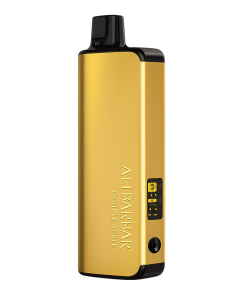
Alibarbar Pro 10000
Alibarbar Pro 10000
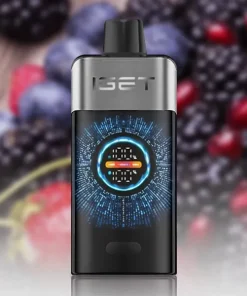
IGET ONE 12000
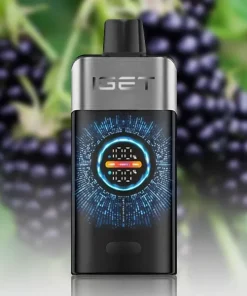
IGET ONE 12000
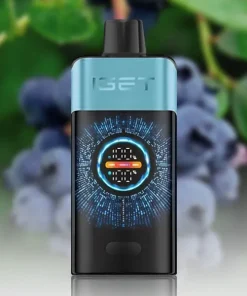
IGET ONE 12000
IGET ONE 12000
IGET ONE 12000
IGET ONE 12000
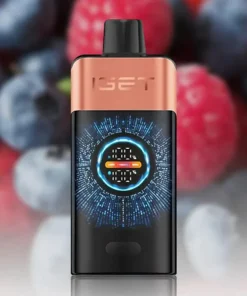
IGET ONE 12000
IGET ONE 12000
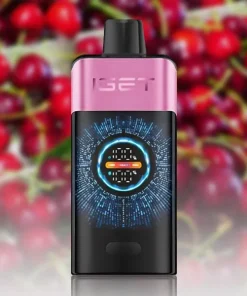
IGET ONE 12000
IGET ONE 12000
Buy vapes in Australia
This is the general vapes category, holding 37 devices across formats, priced in Australian dollars and delivered discreetly Australia wide. It is the right starting point if you know you want a vape but have not settled on which kind.
Vaping hardware is genuinely confusing to shop for, not because the devices are complex but because the vocabulary is inconsistent and three quite different products are all commonly called a vape. This page sorts that out, then covers cost, battery care, and the practical realities of using one in Australia.
On this page
- The device types
- Why the vocabulary is confusing
- Device types compared
- What a device costs over a year
- Battery care and safety
- Puff counts and what they measure
- Choosing a flavour
- Comparing device ranges
- Common problems and fixes
- Disposing of a dead device
- Delivery and packaging
- Travelling with a device in Australia
- Travelling with a device in Australia
- The rules in Australia
- Vape questions answered
The device types
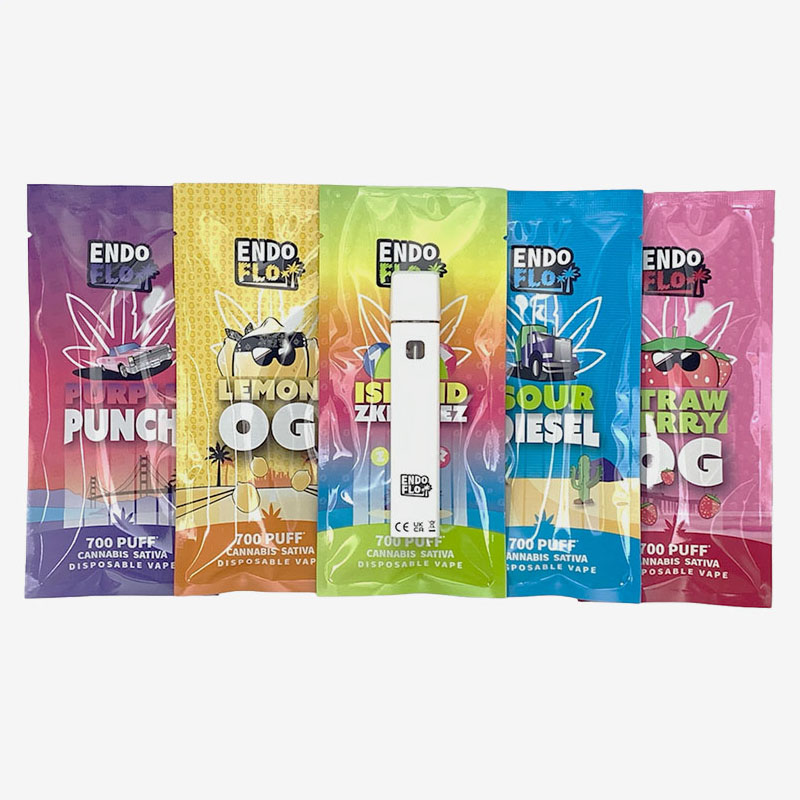
Disposables. Sealed, self contained, discarded when empty. Nothing to charge on most models, nothing to refill. See disposable vapes.
Reusable devices. Built to be refilled and recharged, so you buy the hardware once and replace only the liquid. See reusable vapes.
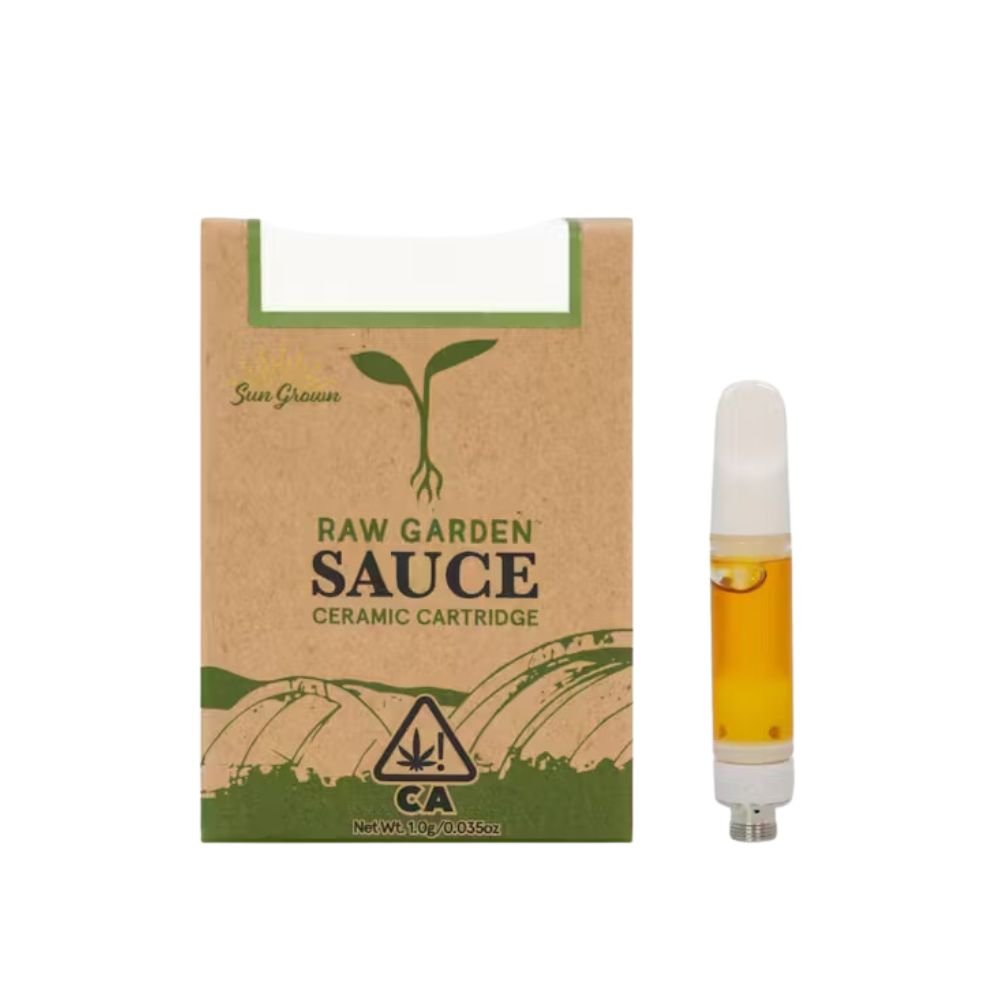
Cartridge and battery setups. A prefilled tank screws onto a battery you own. See THC vapes and THC vape pens.
Refills for hardware you already own sit in THC vape liquid.
Why the vocabulary is confusing
There is no agreed standard for any of these words, which is the root of most confusion.
Pen, vape, bar, device, disposable and cart are used loosely and inconsistently across brands and retailers. The same physical object might be called a pen by one seller and a bar by another. Meanwhile a cart and a disposable can look almost identical in a photograph while being fundamentally different purchases, because one is a complete product and the other is a refill.
So ignore the noun and ask three questions instead. Does it need a separate battery? Can it be recharged? Can it be refilled? Those three answers describe any device on this page completely, and they are what actually determine whether it suits you.
Device types compared
| Disposable | Reusable | Cart and battery | |
|---|---|---|---|
| Separate battery needed | No | No | Yes |
| Rechargeable | Usually not | Yes | Battery is |
| Refillable | No | Yes | Cart is replaced |
| Upfront cost | Low | Higher | Low for the cart |
| Cost over a year | Highest | Lowest | Low |
| Waste produced | Most | Least | Moderate |
| Best for | Occasional use | Daily use | Anyone with a battery |
What a device costs over a year
Sticker price comparisons between formats are misleading, and thinking in weeks or years instead is what stops people overspending.
Take a disposable, divide its price by how long it lasts you, and you have a weekly figure. Do the same for a reusable setup, remembering the hardware is a one off and only the liquid repeats. The reusable option looks expensive in week one and cheap in every week after.
For daily use, the crossover where reusable becomes cheaper arrives faster than most people expect. For genuinely occasional use, a disposable is the more sensible purchase and the convenience is worth the premium. There is no universally right answer, only the right answer for your own frequency.
Two other factors move the numbers. Your draw style, because long forceful pulls consume more liquid per puff. And buying quantity, because multi packs cost less per unit than repeat singles, though only once you are confident in a flavour.
Battery care and safety
Every device here contains a lithium battery, which deserves ordinary respect rather than anxiety.
Use the correct charging cable and do not leave a device charging unattended overnight. Do not charge anything that is visibly damaged, swollen or has been submerged. Do not expose devices to extreme heat, which in Australia means never leaving one in a parked car, where interior temperatures routinely exceed sixty degrees in summer.
Cold reduces battery performance temporarily, which often reads as a weak or failing device in winter when it is simply cold. Let it reach room temperature before concluding anything.
Store devices out of reach of children and animals, per the age verification policy.
Puff counts and what they measure
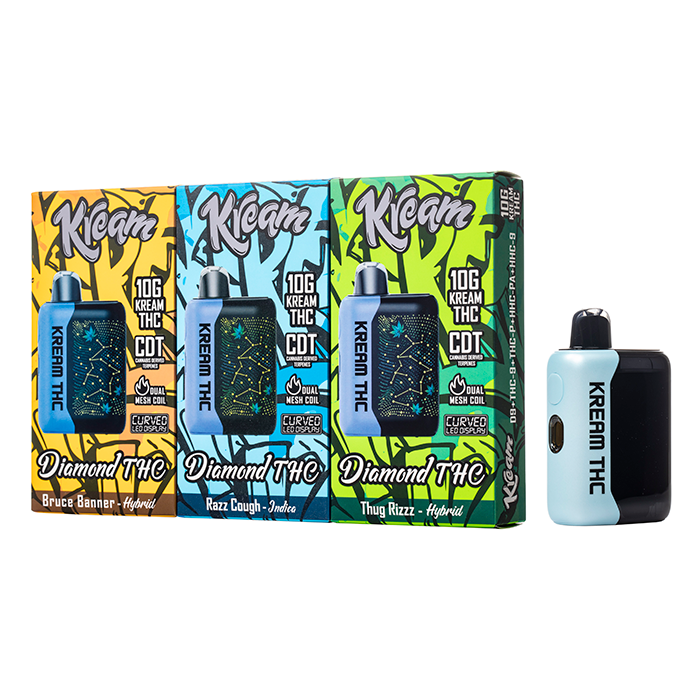
Every disposable advertises a puff count, derived from short consistent draws under test conditions. Real use involves longer and harder draws that consume more liquid per puff, so actual totals routinely come in below the printed figure.
It is not dishonest, it is a standardised measurement that does not match how anyone actually vapes. The number is still useful for ranking: a device rated 16000 will outlast one rated 9000 from a comparable maker, even though neither reaches its printed total. Treat it as a comparison tool, never a promise, as the disclaimer sets out.
Choosing a flavour
Flavour is the most personal variable here and the least served by other people opinions.
Lineups broadly divide into fruit, mint and menthol, dessert and sweet, and tobacco leaning profiles. If you are switching from something else, the closest match to what you already enjoy is a lower risk start than the most interesting sounding option.
Mint and menthol read as cooler and stronger on the throat, which some find smoother and others find harsh. Dessert and sweet profiles can become cloying across a whole device in a way they do not over a few draws, which is a real argument for buying one before a multi pack.
Comparing device ranges
Several manufacturers sell a family of devices sharing a flavour lineup across different capacities. Opening the range page rather than searching a flavour name shows you every option in that family at once.
The ranges stocked here each have their own page: IGET Bar Pro 10000, IGET One 12000, Kuz Nova 16000, Kuz Ultra 9000, Alibarbar Ingot 9000 and Alibarbar Pro 10000.
The number in a range name is its rated puff count, so comparison within a family is simple: same maker, broadly the same flavours, different capacity and price.
Common problems and fixes
Stopped working with liquid left. On non rechargeable devices the battery commonly runs down before the liquid, which is normal for the format rather than a fault.
Burnt taste. The coil is running dry or too hot, usually from long forceful draws. Draw more gently. Once it appears it will not recover.
Weak in winter. Cold battery. Warm it to room temperature.
Leaking. Usually heat, which thins the liquid. Store upright at room temperature.
Genuine faults, meaning a device that never worked or leaked from new, are covered by the returns policy.
Disposing of a dead device
A dead disposable is not ordinary household rubbish, because it contains a lithium battery.
Batteries in general waste are a genuine fire risk in collection trucks and sorting facilities, and they cause fires in Australia regularly. Many councils and retailers operate battery or e waste collection points, and that is where these belong. Recycling Near You, run by Planet Ark, lets you look up what your own council accepts and where the nearest drop off is.
This is one of the better arguments for reusable hardware if you vape regularly. Replacing only the liquid produces dramatically less waste than discarding an entire device with a battery in it every time.
Delivery and packaging
Orders ship Australia wide in plain outer packaging with tracking on every dispatched order. See the shipping and delivery page, and why online beats local for the wider comparison.
Travelling with a device in Australia
Australians travel long distances domestically, and a device that goes with you needs a little thought.
The most important practical point is that lithium batteries are not permitted in checked baggage on flights. Devices containing them must travel in the cabin, which is a general aviation safety rule applying to power banks, laptops and vapes alike. Australian carriers also prohibit using or charging a device in flight. The Civil Aviation Safety Authority publishes what may be carried and how, and it is the authority to check rather than a retailer.
Beyond aviation, the rules that apply to what you are carrying differ by state and territory, and it is your responsibility to know them for wherever you are going rather than only where you live. A device that is unremarkable at home is not automatically unremarkable across a border.
The everyday risks are more mundane. Heat is the main one. A device left in a car during a drive across the country, or in a bag in the sun at a beach, is being cooked, and that thins the liquid, causes leaks and stresses the battery. Carry it in the cabin of the car with you rather than in a boot, and keep it out of direct sun.
Pressure changes can also make a device leak, which is why devices sometimes arrive from a flight having emptied into a bag. Storing it upright in a sealed pouch avoids the mess.
Travelling with a device in Australia
Australians travel long distances domestically, and a device that goes with you needs a little thought.
The most important practical point is that lithium batteries are not permitted in checked baggage on flights. Devices containing them must travel in the cabin, which is a general aviation safety rule applying to power banks, laptops and vapes alike. Australian carriers also prohibit using or charging a device in flight. The Civil Aviation Safety Authority publishes what may be carried and how, and it is the authority to check rather than a retailer.
Beyond aviation, the rules that apply to what you are carrying differ by state and territory, and it is your responsibility to know them for wherever you are going rather than only where you live. A device that is unremarkable at home is not automatically unremarkable across a border.
The everyday risks are more mundane. Heat is the main one. A device left in a car during a drive across the country, or in a bag in the sun at a beach, is being cooked, and that thins the liquid, causes leaks and stresses the battery. Carry it in the cabin of the car with you rather than in a boot, and keep it out of direct sun.
Pressure changes can also make a device leak, which is why devices sometimes arrive from a flight having emptied into a bag. Storing it upright in a sealed pouch avoids the mess.
The rules in Australia
Australian rules on vaping and nicotine are set federally and by each state and territory and have changed materially in recent years. We are a retailer, not a legal adviser. The TGA vaping hub and the Department of Health and Aged Care publish the current position, and the Alcohol and Drug Foundation covers effects and risks independently.
Strictly for adults, and knowing what applies to you is your responsibility under the terms and conditions.
Vape questions answered
How many vapes do you stock?
37 devices in this general category, with more in the disposable, reusable and THC vape categories, all delivered Australia wide.
Which type should I buy?
Ask three questions: does it need a separate battery, can it be recharged, can it be refilled. Daily use favours reusable on cost. Occasional use favours a disposable on convenience.
Is a reusable device really cheaper?
For regular use, yes, because you replace only the liquid. The hardware is a one off, so the first week looks expensive and every week after looks cheap.
Will a device deliver its stated puff count?
Almost certainly not. That figure comes from short standardised test draws. Use it to rank devices against each other rather than as a promise.
Can I leave a vape in the car?
No. A parked car in an Australian summer can exceed sixty degrees, which thins the liquid, causes leaks and stresses the battery.
How do I throw away a dead disposable?
Not in household rubbish. It contains a lithium battery, which is a fire risk in waste collection. Use a battery or e waste drop off point, which Recycling Near You can help you locate.
Why does my device taste burnt?
The coil is running dry or too hot, usually from long forceful draws. Draw more gently, and stop once the taste appears because it will not recover.
My vape is weak in winter. Is it faulty?
Battery performance drops in cold. Let the device reach room temperature before deciding.